Why Soy Stands Out

Declan Kennedy
| 04-01-2026
 · News team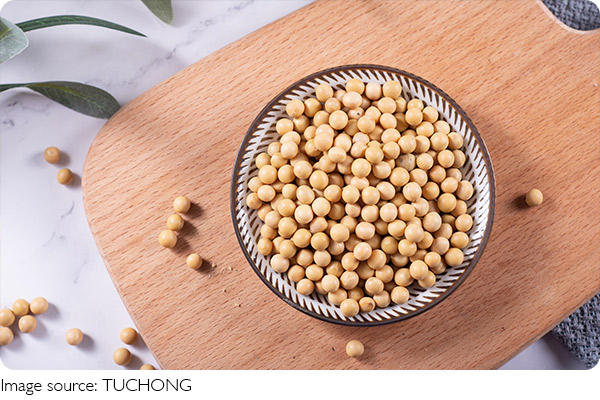
Soy has been part of human diets for centuries, particularly in East Asia, where foods such as tofu, tempeh, and miso remain daily staples.
In recent decades, soy has attracted global scientific interest because of its unique nutritional profile and potential health effects.
A Nutrient-Dense Plant Protein
Soy stands out among plant foods for its protein quality. It contains all essential amino acids, making it a complete protein source. This characteristic supports muscle maintenance, tissue repair, and overall strength, especially in diets that limit animal-based foods.
Beyond protein, soy foods provide fiber, healthy oil, and important minerals. These nutrients work together to support steady energy levels and long-term metabolic balance. Fermented soy products, such as tempeh and miso, also contain compounds that improve digestibility and nutrient absorption.
Coffee’s Hidden Role in Gut Health: Boosting Beneficial Bacteria and Microbial Balance
Struggling to chug more water daily? These hacks make it stick!
Building Strong Beginnings: How Childhood Vaccines Safeguard Health
This Portfolio Shift Is Quietly Rewriting How Big Money Invests
The FTX Collapse Exposed a Hidden Risk Most Crypto Users Still Ignore
The Retirement Roadmap Most People Skip—And It Costs Them Years
Support for Heart Health
One of the most studied benefits of soy relates to cardiovascular health. Research indicates that replacing foods high in saturated oil with soy-based options can improve cholesterol balance. Soy protein and naturally occurring compounds called isoflavones appear to contribute to these effects.
Isoflavones act as antioxidants, helping protect cells from oxidative stress. They also influence blood vessel function, supporting healthy circulation. These combined actions may reduce long-term cardiovascular risk when soy is part of a balanced diet.
According to soy expert Mark Messina, PhD, decades of clinical and population studies show that soyfoods can be safely included in the diet and are linked with health benefits such as reduced risk of chronic diseases and improved markers of heart health — reinforcing that soy is generally safe and nutritionally valuable.
Role in Metabolic Balance
Soy foods may also support healthy blood sugar regulation. Their combination of protein, fiber, and low glycemic impact helps slow digestion and stabilize energy release after meals. This effect can reduce sharp rises in blood sugar, making soy a useful option for people managing insulin sensitivity.
Hormonal Effects and Isoflavones
Isoflavones are plant compounds that interact gently with estrogen receptors in the body. This interaction is much weaker than natural human hormones, yet it may offer specific benefits. In adults, isoflavones have been studied for their role in easing temperature regulation discomfort during midlife transitions.
Digestive and Microbial Support
Soy contributes to digestive health through its fiber content, which supports beneficial gut bacteria. Fermented soy foods provide additional advantages by introducing helpful microorganisms that enhance microbial diversity. A healthy digestive environment plays a role in immune balance and nutrient processing. Regular inclusion of soy foods may help maintain this internal balance, supporting overall resilience.
Cognitive and Aging-Related Benefits
Emerging research suggests that soy intake may support cognitive function as part of a nutrient-rich diet. Antioxidants and healthy oils found in soy help protect brain cells from oxidative stress. Some studies associate regular soy consumption with maintained memory performance during aging, although research in this area continues to evolve.
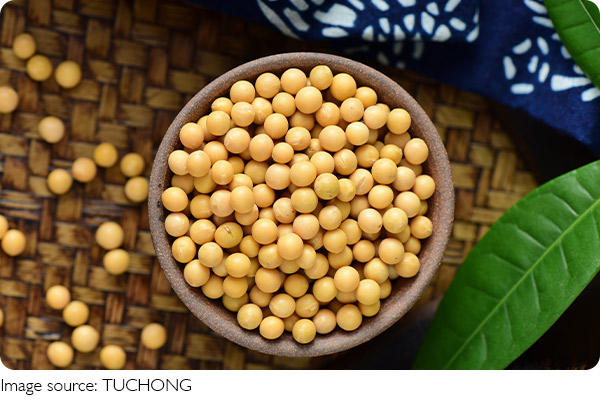
Soy offers a wide range of health benefits supported by credible scientific evidence. From high-quality protein and cardiovascular support to metabolic balance and digestive health, soy continues to demonstrate its value as a versatile plant food. When chosen thoughtfully and consumed in traditional forms, soy contributes meaningfully to long-term health and nutritional balance.