Protecting Children

Nolan O'Connor
| 04-01-2026
 · News team
Basic childhood immunizations form one of the strongest foundations of modern preventive health.
These vaccines are not optional enhancements; they are carefully developed protections designed to guard children during the most vulnerable stages of growth.
Skipping routine immunizations does not only affect an individual child but also alters the safety of classrooms, neighborhoods, and healthcare systems.
1. Protection During the Most Vulnerable Years
Infancy and early childhood represent a period when natural defenses are still developing. During this stage, exposure to serious infections can lead to severe complications, prolonged recovery, or death. Vaccines work by preparing the immune system to recognize and fight specific pathogens before natural exposure occurs.
This Portfolio Shift Is Quietly Rewriting How Big Money Invests
The FTX Collapse Exposed a Hidden Risk Most Crypto Users Still Ignore
The Retirement Roadmap Most People Skip—And It Costs Them Years
This Simple Rebalance Rule Can Save You When Markets Go Wild
One Cost-Cutting Pass Can Buy You Months—Here’s Where to Look First
Think Millennials Don’t Invest? Their Retirement Allocations Might Surprise You
Diseases such as measles, whooping cough, and polio historically caused widespread childhood disability and mortality. Immunization schedules are designed with precise timing to provide protection when the risk is highest. Delaying or skipping doses leaves gaps in defense, allowing infections to take hold more easily.
2. Prevention of Disease Resurgence
Many vaccine-preventable diseases have not disappeared; they are simply controlled. When immunization rates decline, these illnesses can quickly return. Several countries have documented outbreaks of measles and pertussis following drops in vaccination coverage, even in regions with advanced healthcare systems.
Dr. Paul Offit, a pediatric infectious disease expert, has pointed out that because vaccines have been so successful at preventing disease, many people no longer remember how serious those illnesses once were — and that complacency can lead to undervaluing immunization and renewed outbreaks.
3. Community-Wide Protection for High-Risk Individuals
Not every child can receive every vaccine. Certain medical conditions or temporary health situations may delay immunization. High vaccination coverage within a community reduces the circulation of infectious agents, lowering exposure for those who remain unprotected.
This concept, often referred to as population-level protection, is especially important in daycare centers, schools, and pediatric wards. When basic childhood immunizations are skipped, vulnerable children face increased exposure risks.
4. Long-Term Health and Development Benefits
Vaccine-preventable diseases can interfere with healthy growth and learning. Severe infections in early childhood are associated with prolonged fatigue, hearing complications, and delayed educational progress. Immunizations prevent these outcomes by stopping infections before they disrupt development.
Long-term studies following vaccinated populations demonstrate improved school attendance, reduced need for medical interventions, and better overall childhood well-being. These benefits extend beyond individual families, contributing to a healthier and more productive society. Preventive care through immunization remains far more effective than treating advanced disease after infection occurs.
Childhood Immunization
Mometrix Academy
5. Strong Safety Monitoring and Scientific Oversight
Basic childhood vaccines undergo extensive testing before approval and continuous monitoring after introduction. Safety systems track side effects, dosage effectiveness, and rare reactions using large population data. This ongoing surveillance allows medical authorities to update recommendations based on real-world evidence.
Basic childhood immunizations represent one of the most reliable and thoroughly studied tools in preventive medicine. They protect children during vulnerable years, prevent the return of dangerous diseases, shield high-risk individuals, support healthy development, and meet rigorous safety standards. Skipping vaccines undermines these protections and exposes communities to avoidable harm.
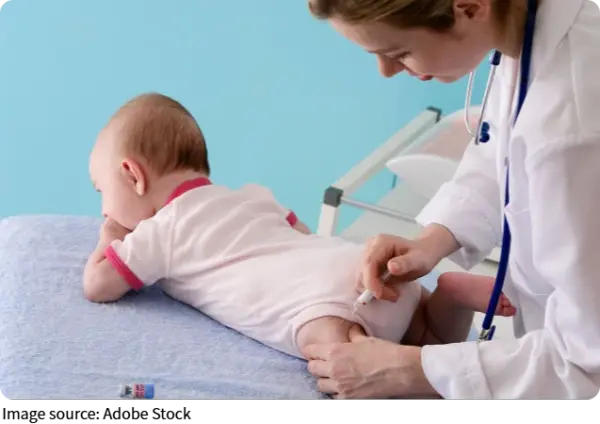
Sustaining high immunization coverage requires commitment to evidence-based health practices and trust in decades of scientific progress. Childhood vaccines do not merely prevent illness; they preserve stability, safety, and opportunity for future generations. Continued adherence to recommended immunization schedules remains a cornerstone of responsible child health care and public well-being.