Hydration Hacks!

Finnegan Flynn
| 31-12-2025
 · News team
Water supports nearly every process that keeps the body functioning well, yet daily intake often falls short.
Busy schedules, limited thirst signals, and reliance on flavored drinks all contribute to low hydration habits.
Why Hydration Often Gets Overlooked
Thirst is not always a reliable signal. It tends to appear after mild dehydration has already begun. Modern lifestyles further weaken awareness, especially in air-conditioned spaces or during long periods of screen use. Caffeinated drinks, while fluid-containing, may replace plain water rather than add to total intake.
Hydration needs also vary with climate, physical activity, and diet. Meals high in salt or protein increase fluid demand, while fruits and vegetables provide hidden water. Recognizing these influences helps explain why hydration requires conscious attention.
Building Strong Beginnings: How Childhood Vaccines Safeguard Health
This Portfolio Shift Is Quietly Rewriting How Big Money Invests
The FTX Collapse Exposed a Hidden Risk Most Crypto Users Still Ignore
The Retirement Roadmap Most People Skip—And It Costs Them Years
This Simple Rebalance Rule Can Save You When Markets Go Wild
One Cost-Cutting Pass Can Buy You Months—Here’s Where to Look First
Dr. Lawrence Armstrong, a well‑regarded expert in hydration and physiology, has stressed that even small amounts of dehydration can reduce mental performance, underscoring that staying well‑hydrated supports not just physical comfort but also clear thinking and cognitive function.
Start the Day With Water
Morning hydration sets the tone for the rest of the day. After hours without fluid intake, the body begins the day slightly dehydrated. Drinking water soon after waking helps restore balance and supports alertness. Placing a glass or bottle near the bed creates a simple cue. This habit requires little effort yet often leads to better hydration throughout the morning.
Link Water to Existing Habits
Pairing water intake with routine activities increases consistency. Drinking a glass before meals, after brushing teeth, or during work breaks turns hydration into a predictable action rather than a separate task. Behavioral research shows that habit stacking—adding a new behavior to an existing one—improves long-term adherence. Over time, these small moments add up to meaningful fluid intake without conscious tracking.
Improve Access and Visibility
People tend to drink more water when it is easy to reach. Keeping a refillable bottle within sight encourages frequent sipping. Larger bottles reduce the need for refills, which often disrupts consistency. At home or work, placing water near commonly used spaces increases intake naturally. Visibility acts as a reminder without relying on alarms or apps.
Enhance Taste Without Excess Additives
Plain water may feel boring to some, reducing motivation to drink. Natural flavor additions offer an effective solution. Citrus slices, berries, cucumber, or herbs provide subtle taste without added sugar. Sparkling water can also support hydration, provided it contains no sweeteners. Variety reduces fatigue and keeps hydration enjoyable, especially for those transitioning away from sweetened beverages.
Use Temperature Strategically
Water temperature influences drinking behavior. Cool water often feels refreshing during warm weather or physical activity, while warm water may be preferred in cooler environments. Adjusting temperature to preference increases total intake. Insulated bottles help maintain desired temperature for longer periods, supporting steady hydration throughout the day.
Eat Water-Rich Foods
Hydration does not come only from beverages. Many foods contain high water content and contribute meaningfully to daily fluid intake. Fruits such as melon, oranges, and berries, along with vegetables like cucumber and lettuce, provide hydration alongside fiber and nutrients.
Pay Attention During Physical Activity
Movement increases fluid loss through sweat, even during low-intensity activity. Drinking water before, during, and after exercise helps maintain balance and supports recovery. Small, frequent sips often work better than large amounts at once. This approach reduces discomfort and improves absorption, particularly during prolonged activity.
Avoid Common Hydration Mistakes
Waiting until thirst becomes intense often leads to playing catch-up. Another common mistake involves relying heavily on sweetened drinks, which may increase calorie intake without improving hydration quality. Excessive intake in a short period may also cause discomfort. Spreading water consumption evenly across the day supports steady balance and comfort.
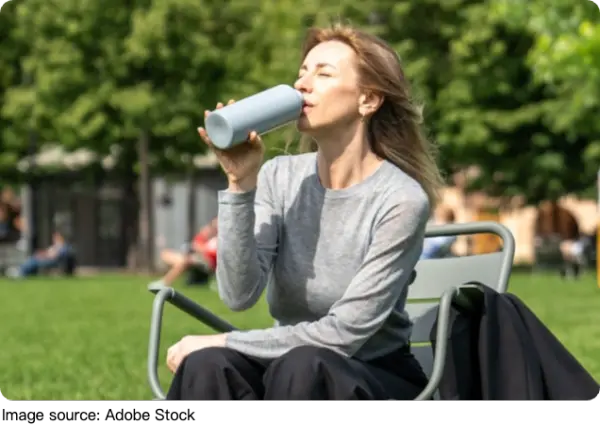
Drinking more water every day does not require complex rules or constant tracking. Simple hydration hacks—starting the day with water, linking intake to routines, improving access, and enhancing flavor naturally make consistency easier.