Vision Test for Myopia!

Caleb Ryan
| 21-04-2026
 · News team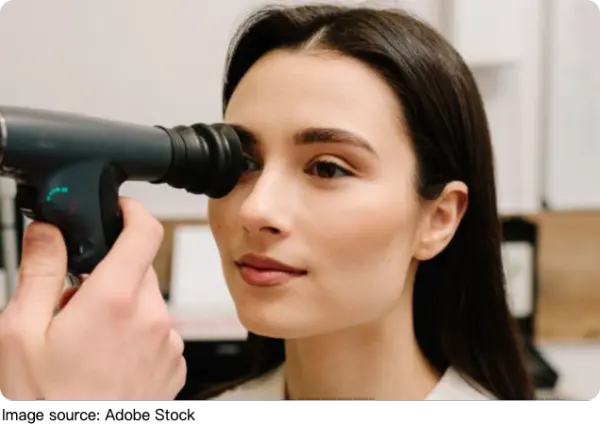
Clear vision plays a fundamental role in daily functioning, yet visual clarity can gradually decline without immediate awareness. One of the most common visual conditions affecting global populations is Myopia, often referred to as nearsightedness.
This condition occurs when distant objects appear blurred while close objects remain sharp. Early detection through structured vision testing is essential, as timely identification allows for effective management and helps reduce long-term visual complications.
Understanding the Mechanism of Myopia
Myopia develops when light entering the eye focuses in front of the retina rather than directly on it. This optical mismatch is typically caused by an elongated eyeball or excessive curvature of the cornea. As a result, distant images fail to converge properly, leading to blurred distance vision.
More than just weight? Smart scales track body data for better health insights daily!
Why do genes matter daily? They shape risks, treatments, and how your body responds!
Can light help wounds heal faster? Laser tech boosts regeneration in new ways!
Hidden tech at work? Active particles rebuild structure from the inside out!
Explore these exciting outdoor activities to get your kids immersed in nature while learning valuable lessons.
Too much pressure in your day? A few quiet minutes can reset your mind fast! Try it now!
The condition often progresses gradually, especially during school-age years, making regular monitoring essential. Environmental influences such as prolonged near work and limited outdoor exposure have been associated with increased risk, alongside genetic predisposition. Recognizing these contributing factors supports more effective screening strategies.
The Role of Standard Vision Testing
Vision testing serves as the primary method for identifying myopia. One of the most widely used tools is the Snellen Chart, which evaluates the ability to distinguish letters or symbols at a standardized distance. This test provides a baseline measure of visual acuity and helps determine whether corrective lenses are required.
During the assessment, individuals are asked to read progressively smaller characters. Difficulty in recognizing distant symbols often indicates the presence of myopia. The results are expressed as a ratio, reflecting the clarity of vision compared to standard expectations.
While simple in design, this test remains highly effective for initial screening. Its accessibility allows it to be used in clinical settings, schools, and community health programs, making it a cornerstone of early detection efforts.
Advanced Diagnostic Techniques
Beyond basic visual acuity tests, more detailed evaluations provide deeper insight into refractive errors. Refraction Test is a key diagnostic method that determines the exact prescription needed to correct vision. This process involves presenting a series of lenses and identifying which combination produces the clearest image.
Another important tool is Retinoscopy, an objective technique that assesses how light reflects from the retina. This method is particularly useful for individuals who may have difficulty communicating their visual experience, as it does not rely on subjective responses.
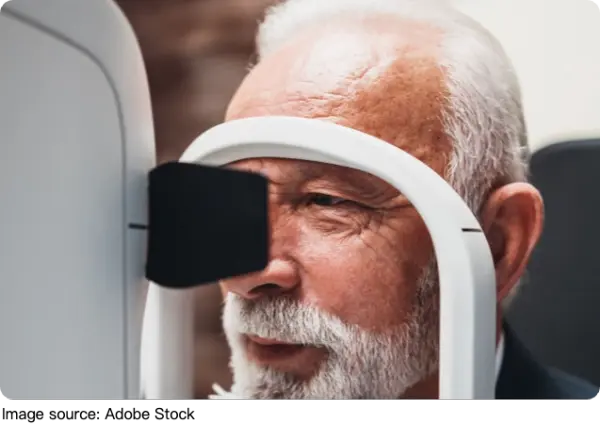
Modern technology has further enhanced diagnostic accuracy through automated refractors and digital imaging systems. These innovations allow for rapid and precise measurements, supporting more efficient clinical workflows.
Importance of Early Detection
Early identification of myopia is critical for several reasons. Uncorrected vision can affect academic performance, daily activities, and overall quality of life. More importantly, progressive myopia may increase the risk of more serious visual complications later in life.
Regular vision testing enables timely intervention, typically through corrective lenses or other management strategies. In some cases, specialized approaches such as orthokeratology or pharmacological treatments may be recommended to slow progression.
Screening programs in educational settings have proven particularly valuable. Detecting vision problems during early development ensures that corrective measures can be implemented before significant impairment occurs.
Factors Influencing Test Accuracy
Accurate detection depends on several variables. Lighting conditions, testing distance, and the individual’s level of concentration can all influence results. Fatigue or temporary eye strain may also affect performance during assessments. Consistency in testing conditions is essential for reliable outcomes. Repeated evaluations over time provide a clearer picture of visual changes, allowing healthcare professionals to track progression and adjust management strategies accordingly.
Additionally, comprehensive eye examinations often include assessments of eye alignment, focusing ability, and overall ocular health. These components ensure that underlying issues are not overlooked during the diagnostic process.
The American Optometric Association (AOA) notes that eye doctors can spot myopia using several different tools, such as reading an eye chart or using specialized light-based devices to measure how the eye focuses, whether in a school screening or a private clinic.
Detecting myopia through vision testing is a vital component of maintaining visual health. From basic acuity assessments to advanced diagnostic techniques, these methods provide essential information for identifying and managing refractive errors. Early detection not only improves immediate visual clarity but also supports long-term eye health by enabling timely intervention.
As technology continues to evolve, vision testing is becoming more precise and accessible. Combined with regular monitoring and awareness of risk factors, these advancements play a crucial role in addressing the growing prevalence of myopia. Effective detection remains the foundation for preserving clear vision and enhancing overall quality of life.