Smart Weight Tech!

Nolan O'Connor
| 21-04-2026
 · News team
Weight monitoring has long been a central element of personal health management, yet traditional methods often provide limited insight. A single number on a conventional scale cannot fully represent the complexity of the human body.
Recent advancements in digital health technology have introduced smart scales, devices that extend beyond basic measurement to deliver a broader understanding of physical status. These tools are reshaping how weight tracking is approached by integrating data, connectivity, and analytical capabilities into everyday routines.
From Simple Measurement to Data-Driven Insight
Traditional scales measure only total body weight, without distinguishing between its components. Smart scales, by contrast, collect multiple metrics that provide a more detailed picture. These devices can estimate lean body mass percentage, muscle mass, hydration levels, and metabolic indicators, offering a multidimensional perspective on physical condition.
Why do genes matter daily? They shape risks, treatments, and how your body responds!
Can light help wounds heal faster? Laser tech boosts regeneration in new ways!
Hidden tech at work? Active particles rebuild structure from the inside out!
Explore these exciting outdoor activities to get your kids immersed in nature while learning valuable lessons.
Too much pressure in your day? A few quiet minutes can reset your mind fast! Try it now!
Same parents, different you? DNA shuffles every trait in new ways!
The key advantage lies in contextual interpretation. For example, stable weight may conceal meaningful changes in composition, such as increased muscle alongside reduced lean mass. Smart scales help reveal these hidden shifts, enabling more informed health decisions. This transition from isolated measurement to continuous data tracking represents a significant evolution in personal health monitoring.
The Technology Behind Smart Scales
Most smart scales rely on a method known as bioelectrical impedance analysis (BIA). This technique sends a low-level electrical signal through the body and measures resistance to estimate tissue composition.
Different tissues conduct electricity in distinct ways. Muscle and fluids allow easier passage of the current, while denser tissues present greater resistance. By analyzing this variation, the device generates estimates of body composition. Although the process is quick and non-invasive, it remains an indirect method based on predictive algorithms rather than direct measurement.
Modern devices enhance this functionality through connectivity. Data collected by the scale is transmitted to mobile applications, allowing long-term tracking and visualization. This integration supports trend analysis, which is often more meaningful than individual readings.
The Value of Trend Monitoring Over Time
One of the most important contributions of smart scales is the ability to track patterns rather than isolated numbers. While individual measurements of body composition may vary due to factors such as hydration or time of day, consistent tracking can reveal meaningful trends.
For instance, gradual improvements in estimated lean body mass percentage over several weeks may indicate effective lifestyle adjustments. Conversely, unexpected fluctuations can prompt closer evaluation of habits or health status. This emphasis on trends aligns with modern healthcare principles, which prioritize long-term outcomes over short-term variability.
Digital records also improve accountability and continuity. Historical data allows healthcare providers to assess progress more accurately, supporting more personalized recommendations.
Applications in Preventive and Lifestyle Healthcare
Smart scales are increasingly used as supportive tools in preventive care. Monitoring body composition can help identify early signs of metabolic imbalance, even when overall weight appears unchanged. This enables earlier intervention through adjustments in nutrition, physical activity, or other lifestyle factors.
In fitness contexts, these devices assist in evaluating training effectiveness. Tracking muscle development alongside reductions in non-lean mass provides a clearer understanding of physical adaptation. In clinical settings, smart scale data may complement professional assessments, offering additional context between appointments.
However, it is essential to interpret these readings appropriately. Smart scales are not diagnostic instruments and should not replace clinical evaluation. Their strength lies in providing accessible, ongoing insight rather than definitive medical conclusions.
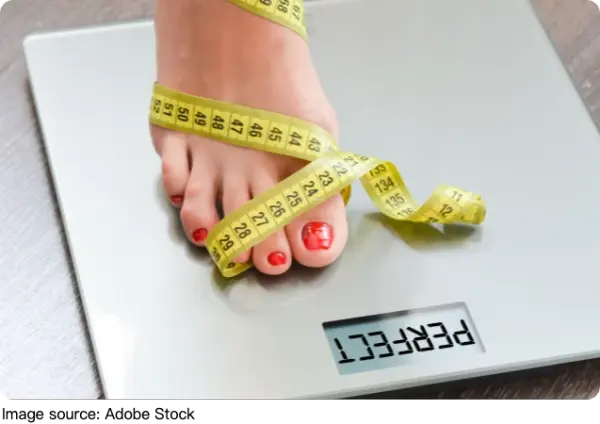
According to registered dietitian Scott Keatley, smart scales are valuable because they highlight long-term trends rather than just daily weight shifts, offering a more accurate picture of a person's fitness journey.
Smart scales represent a significant advancement in the field of personal health monitoring. Continued innovation and responsible use will further enhance their role in supporting long-term health and well-being.