Eat Healthy, Start Easy!

Ethan Sullivan
| 26-12-2025
 · News team
Healthy eating starts with simple swaps and steady habits that build lasting energy and wellness without strict rules.
Fresh produce, whole grains, and lean proteins form the base, crowding out processed items naturally over time.
Beginners gain most from small daily choices that fit busy lives while delivering real nourishment.
Fill Half the Plate with Colors
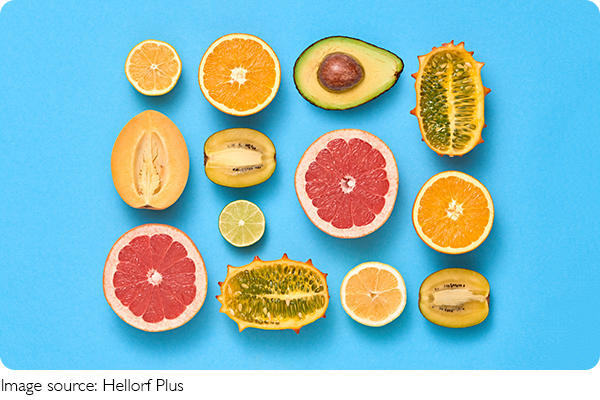
Vegetables and fruits provide vitamins, minerals, fiber, and water that help promote fullness more effectively than many high-calorie snacks. Their diverse nutrient content — from iron-rich leafy greens like spinach to beta-carotene in carrots and antioxidants in berries — supports overall health. Increasing fruit and vegetable intake has been linked with higher fiber consumption and better diet quality in clinical research.
Why does pain show up in the wrong spot? Get the real scoop on this body trick now!
Ever shake like crazy during a fever? Your body’s fighting back—here’s the wild reason why!
Sudden fever jumps got you worried? See why your temp skyrockets and what to do!
Does that shot spark a fever in you? What’s normal—and when to call the doc fast!
Mouthguards and habits that keep your smile injury-free!
Missing teeth? Could implants be your fix? How they mimic roots and last forever!
Choose Whole Grains Over Refined
Oats, quinoa, and brown rice digest slowly, stabilizing blood sugar and curbing cravings better than white bread. Swap refined pasta for whole wheat or barley, which lowers cholesterol through beta-glucan fibers. Start mornings with overnight oats topped with nuts; this simple shift supports steady focus all day. Long-term data links whole grains to better heart health and weight control.
Lean into Quality Proteins
Chicken, fish, eggs, beans, and tofu provide building blocks for muscles and repair without excess calories. Grill salmon twice weekly for omega-3s that ease inflammation, or stir lentils into soups for plant power. Pair with veggies to balance meals fully. Protein at breakfast like plain yogurt with seeds—extends fullness, reducing mid-morning munchies.
Read Labels Like a Pro
Scan for added sugars under 5 grams, sodium below 200 mg, and saturated oil minimized per serving. Pick cans of beans rinsed free of excess salt or yogurts without artificial sweeteners. This habit uncovers hidden pitfalls in "healthy" bars or sauces. Nutrition facts guide smarter picks, cutting empty calories by half in familiar aisles.
Cook Simple Meals at Home
Home kitchens control portions and ingredients, turning basics into tasty wins like veggie stir-fries or sheet-pan bakes. Batch-cook quinoa salads for grab-and-go lunches; this saves time and money while skipping takeout oils. Experiment with herbs like basil or cumin for zest sans salt. Regular cooking builds skills and ties to food's true taste.
Stay Hydrated with Smart Drinks
Water before meals fills space naturally, while herbal teas add variety without calories. Infuse pitchers with lemon or cucumber for refreshment that rivals soda. Limit juices to small glasses, as whole fruits offer fiber barriers against spikes. Proper hydration sharpens focus and aids digestion smoothly.
Mindful Eating Slows the Pace
Chew fully and pause between bites to sense fullness signals from the brain, often after 20 minutes. Dine without screens to savor textures and flavors fully. This practice trims overeating by 10-15% naturally.
Dr. Dariush Mozaffarian, MD, DrPH, former dean of the Friedman School of Nutrition Science and Policy at Tufts University and a leading nutrition scientist, emphasizes that healthy eating should prioritize whole, minimally processed foods — such as vegetables, fruits, nuts, and whole grains — to support nourishment and overall health, rather than rigid dieting rules.
Plan Weekly with Ease
Shop once weekly for staples like eggs, greens, and nuts, prepping chops or boils ahead. Freeze smoothie packs or portion trail mixes for busy days. Flexible lists adapt to sales, keeping costs low. Planning cuts waste and stress, fostering consistency.
Colorful plates, whole grains, quality proteins, label checks, home cooking, hydration, and mindful bites equip beginners for vibrant health. These steps deliver energy, curb excesses, and spark enjoyment sustainably. Steady practice turns tips into lifelong strengths.