Fever Shakes: Why?

Raghu Yadav
| 26-12-2025
 · News team
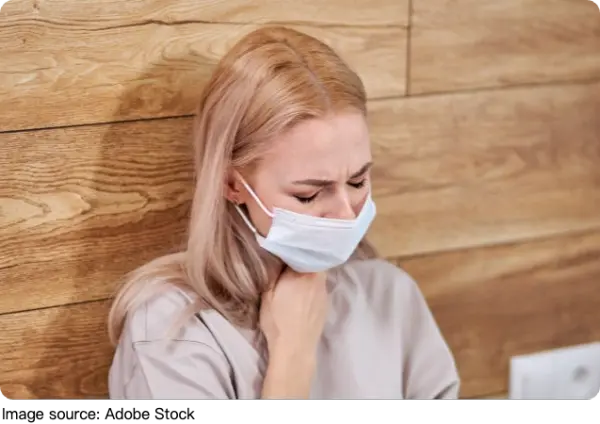
Shaking during fever represents the body's clever defense tactic to ramp up internal heat against invaders.
Muscles contract rapidly in unison, generating warmth when core levels lag behind a reset target.
Hypothalamus as Command Center
The hypothalamus acts as thermostat, detecting immune alerts from cytokines released amid infection battles. It elevates the target warmth point, often by 2-4 degrees, to create an unwelcoming zone for microbes. Current readings fall short, prompting urgent heat production signals downward. Neural circuits in the preoptic area ignite, relaying commands through brainstem relays like the dorsomedial nucleus.
Muscle Action Breakdown
Rapid, involuntary cycles of contraction and relaxation in skeletal muscles — such as during shivering — consume ATP inefficiently, releasing much of that energy as heat rather than mechanical work. This thermogenic process is exploited by the body to raise temperature in cold conditions, since muscle contractions convert chemical energy into heat as a by-product of metabolic activity.
Sudden fever jumps got you worried? See why your temp skyrockets and what to do!
Does that shot spark a fever in you? What’s normal—and when to call the doc fast!
Mouthguards and habits that keep your smile injury-free!
Missing teeth? Could implants be your fix? How they mimic roots and last forever!
How does DNA clone itself perfectly every time? The wild process keeping life going!
Shift your habits—will DNA transform too? Shocking body changes await!
Immune System Trigger
Pathogens spark white blood cells to unleash prostaglandins, crossing blood-brain barriers to nudge the control hub. Viral or bacterial clashes intensify this, with flu strains notorious for fierce episodes. Endotoxins amplify the push, sustaining elevated set points longer. This evolved strategy slows replication rates, buying repair time. Chills precede peaks, blending goosebumps with shakes for layered warmth.
Neural Pathways Detailed
Excitatory descends from raphe nuclei drive motor neurons directly, overriding rest states. GABA circuits in the median preoptic modulate starts and stops precisely. Serotonin tweaks via 5-HT1A receptors fine-tune vigor during fever phases. Cooling skin cues merge with pyrogenic ones, blurring cold defense from illness responses. Lesion studies confirm these links essential for coordinated bursts.
Variations Across Individuals
Children shake more vigorously due to immature controls and higher baseline responses. Elders show muted versions from dulled signaling. Hydration status influences; dehydration prolongs bouts by slowing climbs. Medications like acetaminophen dial down the reset, curbing tremors indirectly. Chronic conditions tweak sensitivity, with some enduring milder flares. Duration spans minutes to hours, fading as peaks crest.
Distinguishing from Cold Shivers
Fever versions layer atop warmth feelings, unlike pure chill responses tied to external drops. Accompanying sweats mark illness origins post-peak. Severity links to rise speed; abrupt jumps spark strongest waves. Observers note teeth chattering as hallmark overlap. Both serve thermoregulation, but context reveals drivers clearly.
According to Kazuhiro Nakamura, shivering represents an automatic motor response of skeletal muscles that generates heat when the body is exposed to cold or during fever, and his work details the specific neural circuits in the brain that drive this thermoregulatory process.
Associated Sensations
Gooseflesh arises from piloerection, trapping air layers additionally. Pale skin follows vasoconstriction, conserving core heat centrally. Fatigue lingers from energy drain, urging rest. Hydration dips heighten discomfort, underscoring fluid needs. These cluster signals the process at work.
Management Insights
Light blankets aid without overheating during active phases. Electrolyte drinks replenish losses swiftly. Monitoring prevents extremes above 103 degrees Fahrenheit. Antipyretics ease once defensive peaks pass. Comfort measures like calm environments shorten perceived lengths.
Fever shakes embody a masterful heat-generating relay, orchestrated by brain hubs against microbial foes. This transient mechanism safeguards vitality through precise neural-muscle harmony. Understanding dispels alarm, framing it as purposeful resilience.