Smart Mosquito Defense!

Amit Sharma
| 27-04-2026
 · News team
Mosquito-borne illnesses remain a persistent global health concern, particularly in tropical and subtropical regions. Diseases such as dengue, malaria, and chikungunya are transmitted through mosquito bites, making prevention strategies essential for reducing infection rates.
Scientific advancements have significantly improved understanding of mosquito behavior, breeding patterns, and environmental factors that contribute to their proliferation. Effective prevention is no longer limited to basic protective measures; it now involves integrated approaches grounded in research, environmental management, and technological innovation.
Mosquito Behavior and Transmission Patterns
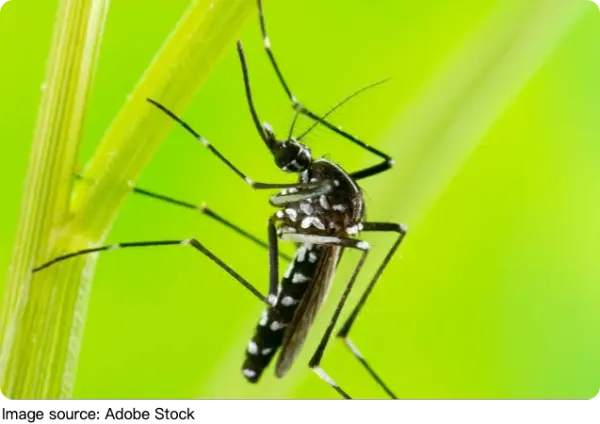
Mosquitoes thrive in warm, humid environments and rely on stagnant water for reproduction. Female mosquitoes require blood meals to support egg development, making human populations a primary target. Different species exhibit distinct activity patterns; for instance, Aedes mosquitoes, known for spreading dengue, are most active during daylight hours, while Anopheles mosquitoes, responsible for malaria transmission, tend to bite at night.
Did you know your body creates electricity? How does it really work?!
Is your personality inherited? The answer might surprise you!
Medicine is changing fast! Digital twins may personalize your care!
Feeling stressed daily? It may be affecting your heart more than you think!
The Gold Allocation Mistake Most Investors Make — And the Simple Fix That Works
How Small, Regular Deposits Turn Into Life-Changing Wealth Over Time
Scientific studies have revealed that mosquitoes are attracted to carbon dioxide, body heat, and certain chemical compounds released through the skin. This knowledge has guided the development of targeted prevention strategies, including repellents and traps designed to interfere with these sensory cues. Understanding these behavioral patterns allows for more precise and effective control measures.
Environmental Management and Source Reduction
Eliminating breeding sites is one of the most effective methods of mosquito control. Even small amounts of standing water, such as those found in containers, gutters, or plant trays, can serve as ideal environments for egg-laying. Regular inspection and removal of stagnant water significantly reduce mosquito populations.
Urban planning and community-based interventions also play a critical role. Proper drainage systems, waste management, and water storage practices minimize opportunities for mosquito breeding. In many regions, coordinated efforts involving local authorities and communities have demonstrated measurable reductions in mosquito density through environmental management alone.
Advancements in Repellents and Protective Technologies
Modern repellents have been developed using scientific insights into mosquito sensory systems. Compounds such as DEET, picaridin, and oil of lemon eucalyptus are widely recognized for their effectiveness in repelling mosquitoes. These substances work by masking the chemical signals that attract mosquitoes, reducing the likelihood of bites.
In addition to topical repellents, technological innovations have introduced new protective tools. Insecticide-treated nets provide a physical and chemical barrier, particularly effective during nighttime exposure. Wearable devices and spatial repellents, which release protective compounds into the surrounding air, offer additional layers of defense. These advancements reflect a shift toward multi-layered protection strategies that combine convenience with scientific precision.
Biological and Genetic Control Methods
Recent developments in biological control have opened new possibilities for reducing mosquito populations. One approach involves introducing natural predators, such as certain fish species, into water bodies where mosquitoes breed. These predators consume mosquito larvae, interrupting the life cycle before maturation.
Genetic techniques have also gained attention. Scientists have explored methods such as releasing genetically modified mosquitoes that reduce reproduction rates or limit the ability to transmit pathogens. While still under evaluation in many regions, these approaches demonstrate the potential of biotechnology in addressing vector-borne diseases.
Public Health Strategies and Community Awareness
Scientific prevention extends beyond individual actions to include coordinated public health initiatives. Surveillance systems monitor mosquito populations and track disease outbreaks, enabling timely interventions. Education campaigns inform communities about effective prevention methods, encouraging consistent and informed practices.
Community participation is essential for sustaining these efforts. When individuals adopt preventive behaviors collectively, the overall risk of disease transmission decreases significantly. Public health strategies that integrate scientific knowledge with community engagement have proven to be among the most effective approaches.
The Role of Climate and Global Trends
Climate conditions strongly influence mosquito distribution and activity. Rising temperatures and changing rainfall patterns have expanded the habitats suitable for mosquito survival. As a result, regions previously unaffected by certain diseases are now experiencing new risks.
Scientific research continues to examine how environmental changes impact mosquito behavior and disease transmission. This knowledge is essential for developing adaptive strategies that address emerging challenges. Monitoring climate trends allows for more accurate prediction and preparation, ensuring that prevention efforts remain effective.

According to CDC entomology lead Dr. Audrey Lenhart, stopping the spread of mosquito-borne diseases is a shared responsibility. She highlights that success depends on a blend of government surveillance, public health control programs, and private actions—specifically wearing protective gear and clearing out potential breeding habitats.
Scientific approaches to mosquito prevention have evolved into comprehensive strategies that combine environmental management, technological innovation, biological control, and public health initiatives. Advances in repellents and emerging genetic methods further enhance protective measures, while community engagement ensures long-term success. As global conditions continue to change, ongoing research and adaptive strategies remain essential for minimizing the impact of mosquito-borne diseases and safeguarding public health.