Gold's Price Mystery

Mason O'Donnell
| 10-04-2026
 · News team
Gold has always held a special place in finance, but its value does not rise simply because people admire it. Its price is shaped by a mix of industrial use, investor behavior, currency movements, and supply constraints.
Anyone considering gold as part of a portfolio should understand these forces first, because this metal responds to far more than market mood alone.
Why Gold
Gold remains one of the most recognized assets in the world because it combines rarity, durability, and broad appeal. It is used in jewelry, investment products, and specialized manufacturing, which gives it a wider base of demand than many people realize. That range of uses helps explain why gold can stay relevant through changing market cycles.
Why Smart Investors Study Markets Before They Spend a Single Dollar
Protect marine life and restore balance! Find out how small changes can make a big impact on ocean health today!
Unlock the power of fingerprint recognition for secure and seamless identity verification everywhere!
Tiny Machines Transforming Health with Precision at the Cellular Level
Better care or just hype? See what makes these tools effective!
Can holograms improve diagnosis accuracy? Learn what makes them powerful!
Its appeal also comes from how differently it behaves compared with many traditional assets. Shares often depend heavily on earnings expectations, while cash loses purchasing power over time when living costs rise. Gold sits in a separate category. It does not generate income on its own, but it can preserve value when confidence in other assets weakens.
Demand Moves
Demand is one of the clearest forces behind gold prices. When more buyers enter the market, prices usually strengthen. That demand can come from investors, jewelry buyers, manufacturers, or institutions building reserves. Because gold serves several purposes at once, demand can remain firm even when one segment becomes quieter for a period.
Industrial demand may not dominate the market, but it still matters. Gold is valued in electronics and certain medical applications because it resists corrosion and conducts efficiently. At the same time, investment demand can shift quickly when people look for stability. This blend of practical use and financial appeal gives gold a unique market profile.
Money Link
Gold often has an inverse relationship with the dollar, and that connection matters for investors everywhere. Since gold is commonly priced in dollars, a stronger dollar can make the metal more expensive in other currencies. That can reduce demand in other markets and put downward pressure on gold prices.
The reverse can also happen. When the dollar softens, gold may become more attractive to global buyers because the metal looks relatively cheaper in local currencies. This is one reason experienced investors keep an eye on exchange-rate movements. Gold is not driven by currency alone, but currency strength often changes how the market values it.
Trust Factor
Gold also benefits from its reputation as a store of value during uncertain periods. When investors become uneasy about growth, debt, or financial stability, they often seek assets that appear more durable. Gold has earned that status over many decades, which is why it is frequently viewed as a stabilizing element in a broader portfolio.
That role becomes especially important when confidence fades in paper-based assets or when inflation starts to erode purchasing power. Gold does not remove risk from an investment plan, but it can reduce vulnerability to certain kinds of market stress. For that reason, many long-term investors treat it as protection rather than a shortcut to quick gains.
William Bernstein, financial theorist, said that gold is best treated as insurance against financial catastrophe rather than a reliable source of long-term returns.
Supply Limits
Unlike assets that can be expanded rapidly, gold supply grows slowly. The total amount already mined is large, but the annual addition from mining remains limited compared with overall global demand. This slower supply growth helps support prices over time, especially when buying interest rises faster than new output can keep pace.
Production can also face delays from higher extraction costs, operational challenges, or weaker discovery rates. If miners produce less than expected, the market can tighten and prices may rise. Gold's scarcity is therefore not just a story about rarity in general. It is also about how difficult and expensive it can be to bring new supply to market.
Physical Choice
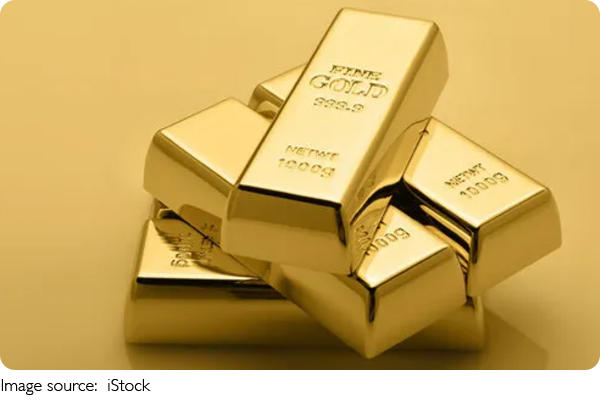
Investors who want direct ownership often choose physical gold in the form of coins or bars. This route offers a clear, tangible connection to the asset, which many people find reassuring. However, direct ownership comes with responsibilities. Storage, insurance, and careful sourcing all matter because safety and authenticity cannot be treated lightly.
Buying physical gold also requires attention to purity and seller credibility. A reputable source is essential, especially when large amounts are involved. Pure gold products are typically marked clearly, and that detail matters when assessing value. Physical ownership can be rewarding, but it works best for investors who are prepared to manage the practical side carefully.
Paper Options
Other investors prefer market-based products that provide exposure to gold without requiring physical storage. Gold exchange-traded funds are popular because they track the metal's performance while trading like shares. This makes them easier to buy and sell, which can suit investors who want flexibility and quick access within a standard investment account.
Still, these products are not identical to holding the metal itself. Their performance depends on how the fund is structured and what assets it holds underneath. Some products may follow spot prices closely, while others include derivatives or related holdings. That means investors should study the product carefully rather than assuming every gold fund behaves the same way.
Right Amount
Owning gold is not simply a matter of buying as much as possible when markets feel uneasy. The better question is how much gold fits a specific portfolio and why. A modest allocation may help diversify risk and protect purchasing power, but overcommitting can reduce flexibility and leave too much capital tied to one defensive asset.
Time horizon matters just as much as allocation. Gold can be useful over long periods, yet it may also experience flat stretches or temporary pullbacks. Investors who expect instant results may become disappointed too quickly. A more disciplined approach treats gold as one part of a balanced strategy rather than a solution to every market concern.
Gold can play a valuable role in wealth preservation, but it still carries risk. Prices respond to shifting demand, currency trends, and broader economic conditions, so short-term moves can be unpredictable. That is why thoughtful planning matters. Investors should consider their goals, risk tolerance, and preferred method of ownership before making any decision.
A smart gold strategy begins with understanding what drives the metal's price and what kind of exposure makes the most sense. Demand, dollar movements, safe-haven appeal, and supply constraints all shape the story. Gold can strengthen a portfolio when used carefully and in the right proportion, making it a meaningful component of a long-term wealth plan.