Spot Fake Crypto Data

Pankaj Singh
| 06-04-2026
 · News team
Hello Lykkers! In the fast‑moving world of cryptocurrency, being able to spot fake charts and misleading data is one of the most useful skills you can have. Deceptive visuals are increasingly used in attempts to lure investors into bad decisions, make a project look more successful than it really is, or push people into scams.
Understanding how to recognize fake data can protect your money and help you make smarter decisions.
Why Fake Crypto Data Matters
Charts that show price movements, trading volume, or market cap are powerful tools — but only when the data behind them is accurate.
Fraudulent actors sometimes create or manipulate charts to make a coin look valuable or active when it isn't. These falsified visuals lead to false confidence, misinformed choices, and sometimes significant losses.
Stop Guessing Your Trades — These Candlestick Patterns Show Exactly When to Enter and Exit!
Forget Gold and Oil — Rare Earth Elements Are the Hidden Engine Driving the Future Economy
Smart CEOs Do This Before Making Any Big Business Decision — Do You?
Could your body be hiding critical signals? Learn the insights that change wellness fast!
Can digital care be trusted fully? Explore the benefits and dangers you should know!
Small Companies Are Quietly Overtaking Giants — And Innovation Is the Only Reason Why
What makes fake charts dangerous is that they can look legitimate and professional, especially if someone doesn't know what to check.
Expert Insight
Ari Redbord, crypto compliance expert, writes that if something feels too good to be true — especially unsolicited investment advice — it almost always is. He reinforces the importance of verifying information, checking reputations, and not taking visuals at face value.
Warning Signs in Crypto Charts
Here are key signs that a chart might not be showing trustworthy data:
• No Clear Data Source — Reliable charts clearly show where the data comes from — such as major exchanges or respected price aggregators. If you cannot identify the source, that's your first warning. Always check the same asset on several well known platforms before trusting the numbers presented.
• Strange Volume and Price Patterns — In real markets, price and volume tend to move together. For example, if volume spikes significantly but price barely moves, it might indicate wash trading — where the same party trades repeatedly to simulate activity and inflate volume metrics.
• Perfect or Too Smooth Trends — Real markets are inherently volatile, especially cryptocurrencies. If a chart shows an almost perfect upward trend with minimal fluctuation, that's unusual in real trading environments and worth questioning.
• Conflicting Data Across Websites — If one platform shows drastically different prices or charts than reputable alternatives, that discrepancy should make you pause and investigate further.
Practical Ways to Verify Chart Authenticity
Being able to spot fake data isn't just about what looks good — it's about applying a few simple checks every time you review a chart.
• Compare Multiple Platforms — The same crypto asset should show similar trends and values across respected sources. Differences of a dollar or two are normal, but large discrepancies are not.
• Check On Chain Activity — Blockchain explorers let you see actual transaction history and wallet activity. If a chart suggests high activity that your on chain check doesn't support, the chart may be unreliable.
• Look for Reputable Providers — Charts from well known exchanges and price aggregators — not random or newly created sites — are far more trustworthy. Legitimate entities have reputations to protect and don't typically publish inaccurate data.
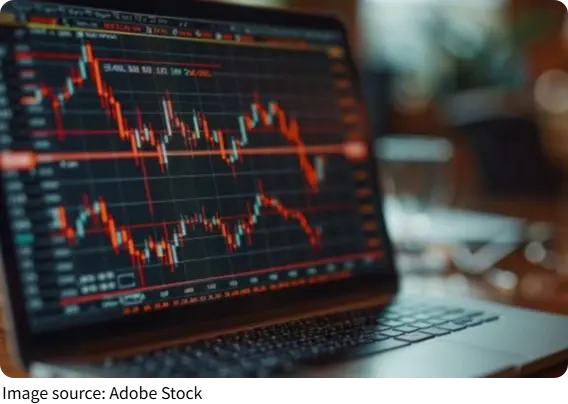
• Be Wary of Unsolicited Graphics — Charts shared in messages, social media posts, or ads — especially from unknown sources — are often designed to catch attention, not to inform accurately.
Why These Checks Work
Fake charts often rely on ambiguity, presentation, and emotional appeal to trick viewers. They may show sudden gains or strong volume without backing data or context. By making a habit of verifying where data comes from and comparing across trusted sources, you essentially remove the illusions and see the true picture.
Cryptocurrency markets are complex, and price movement is influenced by many factors. No chart — no matter how visually striking — should replace careful verification and informed judgment.
The next time you encounter a striking crypto chart, take a moment to verify it: check the source, compare elsewhere, and confirm on‑chain activity. Your decisions will be grounded in real data, not illusions.