Smarter Glucose Control!

Arvind Singh
| 05-04-2026
 · News team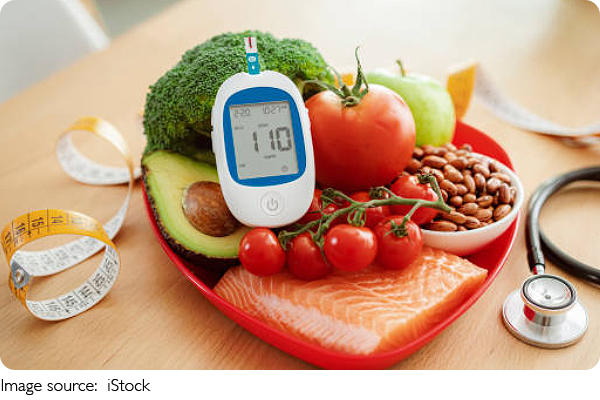
The management of metabolic conditions has entered a transformative phase with the emergence of digital blood glucose monitoring technologies. Traditional monitoring methods often rely on intermittent measurements, which may fail to capture fluctuations throughout the day.
In contrast, digital systems provide continuous or highly frequent data, enabling a more comprehensive understanding of glucose patterns. This innovation is reshaping how healthcare providers approach diagnosis, monitoring, and long-term management, offering a more precise and responsive solution.
Evolution of Glucose Monitoring Technologies
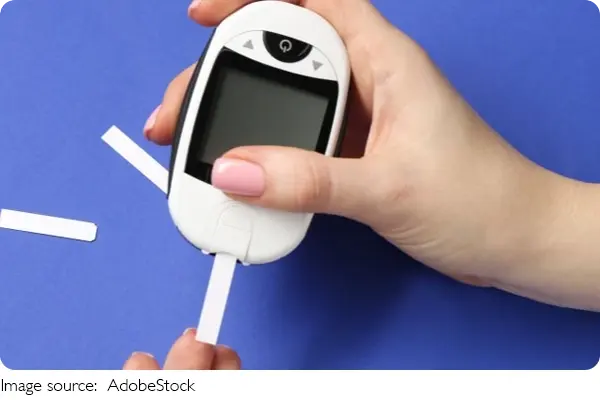
Conventional glucose measurement methods typically involve periodic sampling using handheld devices. While effective for basic tracking, these methods provide limited insight into dynamic changes influenced by diet, physical activity, and stress. Digital monitoring systems, particularly continuous glucose monitoring (CGM) devices, represent a significant advancement. These systems use small sensors placed just beneath the skin to measure glucose levels in real time.
Feeling overwhelmed? Natural ways can ease anxiety and help you feel more in control!
Don’t wait for signs! Lab testing helps catch diseases early and protect your health!
How small daily habits can transform your physical and mental well-being.
Vast marine protected areas exist—but enforcement gaps leave ecosystems vulnerable.
Unlocking the science behind the clarity of glass.
Protect your lenses and keep them looking new with these tips.
Data is transmitted to connected devices such as smartphones or dedicated receivers, allowing for immediate access to trends and alerts. This continuous flow of information enables early identification of irregular patterns that might otherwise go unnoticed.
Real-Time Data and Predictive Insights
One of the most significant advantages of digital glucose monitoring lies in its ability to deliver real-time feedback. Instead of relying on isolated readings, users and healthcare providers can observe trends over hours or days. This continuous data stream supports predictive analytics, which can forecast potential fluctuations before they occur.
Advanced algorithms analyze historical data to identify patterns and provide recommendations. For example, alerts can notify individuals of rising or falling glucose levels, enabling timely adjustments in diet or medication. This proactive approach reduces the risk of extreme variations and enhances overall stability.
Integration with Digital Health Ecosystems
Modern digital glucose monitoring systems are often integrated into broader digital health platforms. These platforms combine data from multiple sources, including physical activity trackers, dietary logs, and sleep monitoring tools. The integration creates a comprehensive picture of health, allowing for more informed decision-making.
Cloud-based systems enable secure data sharing with healthcare professionals, facilitating remote monitoring and consultation. This connectivity reduces the need for frequent in-person visits while maintaining high-quality care. It also allows for rapid adjustments to treatment plans based on real-time information.
Enhancing Patient Engagement and Adherence
Digital monitoring technologies play a crucial role in improving engagement with health management. Visual dashboards and mobile applications present data in an accessible format, making it easier to understand trends and correlations. This clarity encourages consistent monitoring and adherence to recommended interventions.
Behavioral science suggests that immediate feedback reinforces positive habits. When individuals can see the direct impact of dietary choices or physical activity on glucose levels, they are more likely to adopt healthier behaviors. This interactive approach transforms monitoring from a passive task into an active component of daily life.
Clinical Benefits and Improved Outcomes
The clinical advantages of digital glucose monitoring are well-documented. Continuous data allows for more accurate assessment of glycemic variability, which is an important factor in long-term health outcomes. By minimizing fluctuations, healthcare providers can reduce the likelihood of complications associated with poor glucose control.
Early detection of abnormal patterns enables timely intervention, preventing the progression of metabolic imbalances. Additionally, personalized treatment plans can be developed based on individual data, improving the effectiveness of interventions. These benefits contribute to better overall health and reduced healthcare costs.
Data Security and Ethical Considerations
As digital health technologies expand, data security becomes a critical concern. Glucose monitoring systems collect sensitive health information, requiring robust encryption and secure storage solutions. Ensuring privacy and compliance with regulatory standards is essential for maintaining trust in these technologies.
Ethical considerations also include equitable access. While digital solutions offer significant advantages, disparities in access to technology can limit their benefits for certain populations. Addressing these challenges is essential to ensure that innovations are inclusive and widely available.
Future Directions in Digital Glucose Monitoring
The future of digital glucose monitoring is likely to involve further integration with artificial intelligence and wearable technologies. Emerging systems are being designed to automate decision-making processes, offering personalized recommendations based on real-time data.
Non-invasive monitoring methods are also under development, aiming to eliminate the need for sensor insertion. These innovations could further improve comfort and accessibility, expanding the adoption of digital monitoring solutions.
Dr. Josh Emdur, Medical Director at SteadyMD (virtual endocrinology platform). He said “I find continuous glucose monitoring to be an invaluable asset in managing both type 1 and type 2 diabetes. CGM data delivers actionable insights that assist patients in monitoring their glycemic reactions to food choices and physical activity.”
Digital blood glucose monitoring represents a significant advancement in healthcare, offering continuous, data-driven insights that enhance the management of metabolic conditions. As technology continues to evolve, digital solutions are poised to become a standard component of modern healthcare, improving outcomes and empowering more effective disease management.