DNA Methylation: Cancer!

Pankaj Singh
| 03-04-2026
 · News team
Cancer development is not driven solely by changes in DNA sequence; it is also profoundly influenced by epigenetic mechanisms that regulate gene activity without altering the genetic code.
Among these mechanisms, DNA methylation has emerged as a central player in shaping cellular identity and behavior. This biochemical process involves the addition of methyl groups to specific regions of DNA, typically at cytosine bases within CpG dinucleotides.
In healthy cells, DNA methylation ensures proper gene regulation, genomic stability, and controlled cell division. However, when this system becomes dysregulated, it can initiate and promote tumor formation through complex and highly coordinated pathways.
Discover What Affects Your Concentration and How to Improve It
Discover the best ways to pair sunglasses with any outfit for a perfect look.
Discover how books transform your thinking, emotions, and perspective on life
Tracing Skateboarding’s Journey from Rebellion to Olympic Recognition
A journey of stress relief, creative expression, confidence, and connection through the thrill and freedom of skateboarding.
Are labels hiding more than they show? Clear tags could reshape diets and habits!
Mechanisms of DNA Methylation
DNA methylation is catalyzed by a family of enzymes known as DNA methyltransferases (DNMTs), which transfer methyl groups to DNA. This modification often occurs in gene promoter regions, where it can silence gene expression by preventing transcription factor binding or recruiting repressive protein complexes. In normal physiology, methylation patterns are tightly regulated and cell-type specific, contributing to differentiation and tissue function.
In cancerous cells, two major alterations are commonly observed: global hypomethylation and localized hypermethylation. Global hypomethylation leads to genomic instability by activating transposable elements and oncogenes. In contrast, hypermethylation at promoter regions of tumor suppressor genes results in their silencing, effectively removing critical barriers to uncontrolled cell growth.
DNA Methylation and Cancer - Garvan Institute
Garvan Institute of Medical Research
Silencing of Tumor Suppressor Genes
One of the most well-characterized consequences of aberrant DNA methylation is the inactivation of tumor suppressor genes. These genes normally function to regulate cell cycle progression, repair DNA damage, and initiate programmed cell death when abnormalities arise. When promoter regions of these genes become excessively methylated, transcription is repressed, and their protective roles are lost.
For example, the p16INK4a gene, a key regulator of the cell cycle, is frequently silenced through promoter hypermethylation in various cancers. Similarly, genes involved in DNA repair pathways, such as MLH1, can be epigenetically inactivated, leading to accumulation of mutations. This process does not require changes in the DNA sequence itself, making it a reversible but highly impactful driver of malignancy.
Genomic Instability and Hypomethylation
While hypermethylation suppresses critical genes, global hypomethylation contributes to cancer through a different mechanism. Reduced methylation across the genome can activate normally silent regions, including repetitive DNA sequences and oncogenes. This activation increases chromosomal instability, leading to rearrangements, duplications, and deletions that further promote tumor progression.
Hypomethylation also affects the structural integrity of chromosomes, increasing the likelihood of abnormal recombination events. These disruptions create a permissive environment for additional genetic and epigenetic alterations, accelerating the evolution of cancer cells.
Interaction with Other Epigenetic Modifications
DNA methylation does not act in isolation; it interacts closely with other epigenetic processes such as histone modification and chromatin remodeling. These interactions form a complex regulatory network that determines whether genes are active or silenced. For instance, methylated DNA can recruit proteins that modify histones, leading to a more compact chromatin structure and reduced gene expression.
This coordinated system allows cancer cells to establish stable yet reversible gene expression patterns that support survival and proliferation. The interplay between different epigenetic layers adds an additional level of complexity, making it challenging to fully understand and target these mechanisms therapeutically.
Clinical Implications and Biomarker Potential
The reversible nature of DNA methylation makes it an attractive target for therapeutic intervention. Drugs known as DNA methylation inhibitors, such as azacitidine and decitabine, have been developed to reactivate silenced tumor suppressor genes. These agents are already used in certain hematological malignancies and continue to be investigated in solid tumors.
In addition to therapy, DNA methylation patterns serve as valuable biomarkers for early detection, prognosis, and treatment response. Specific methylation signatures can distinguish between normal and cancerous tissues, as well as identify subtypes of cancer with different clinical outcomes. Liquid biopsy techniques, which analyze circulating DNA in blood, have further expanded the potential for non-invasive cancer monitoring.
Bert Vogelstein, a pioneering cancer genomics researcher, has emphasized that the underlying cause of cancer lies in genetic alterations — that the disease fundamentally arises from mutations in DNA rather than being primarily triggered by non‑genetic factors.
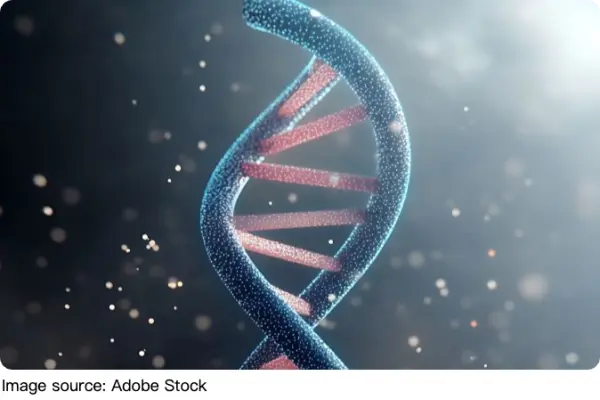
DNA methylation plays a multifaceted role in cancer development by altering gene expression, promoting genomic instability, and interacting with other regulatory mechanisms. The dual nature of methylation changes—both silencing protective genes and activating harmful elements—creates a powerful driving force behind tumor progression.
Advances in research continue to uncover the complexity of these processes, highlighting their importance in diagnosis, prognosis, and treatment. As knowledge deepens, targeting DNA methylation offers significant promise for improving cancer management and patient outcomes.