Real-Time Health Power

Chandan Singh
| 31-03-2026
 · News team
Health monitoring has evolved far beyond periodic checkups and occasional measurements. The emergence of real-time tracking technologies has transformed how health data is collected, interpreted, and applied.
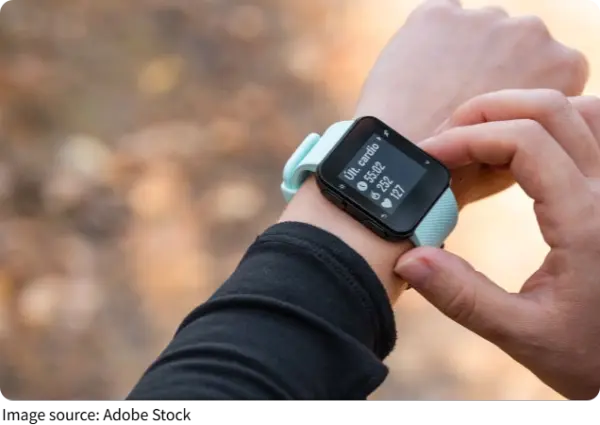
Devices once limited to counting steps now capture continuous streams of physiological signals, offering a deeper and more dynamic understanding of human health.
The Evolution of Monitoring Technologies
Early wearable devices focused primarily on basic activity tracking, such as step counts and estimated calorie expenditure. While these metrics provided general insights, they offered limited clinical relevance. Over time, advancements in sensor technology and data processing have expanded capabilities significantly. Modern devices can track heart rate variability, sleep patterns, oxygen saturation, and other critical indicators with increasing precision.
The Silent Killer of Business Success Nobody Is Talking About
Use Your Five Senses to Calm Anxiety Quickly—Simple Daily Exercises That Bring Instant Relaxation!
Are You Picking the Wrong Stocks for Retirement? The Answer Might Surprise You!
How setbacks can become stepping stones to deeper growth and renewed purpose
Recovery stories prove nature can rebound when people act wisely.
The Visual Trick That Makes Complex Economics Easier to Understand
The integration of miniaturized sensors and wireless connectivity has enabled seamless data transmission to smartphones and cloud-based platforms. This continuous flow of information allows healthcare providers and individuals to observe trends rather than isolated readings. As a result, subtle changes that might indicate emerging health concerns can be identified earlier than ever before.
From Data Collection to Actionable Insights
The true value of real-time monitoring lies not only in data collection but in its interpretation. Raw data alone holds limited meaning without proper analysis. Advanced algorithms and machine learning models transform continuous streams into actionable insights, highlighting deviations from normal patterns.
For instance, consistent changes in resting heart rate or sleep quality may signal underlying issues that require attention. By identifying these patterns early, interventions can be implemented before conditions worsen. This proactive approach contrasts sharply with traditional models that rely on symptoms to trigger medical evaluation.
Enhancing Preventive Care
Real-time monitoring has significantly strengthened preventive healthcare strategies. Continuous tracking enables early detection of anomalies, allowing for timely adjustments in lifestyle or treatment plans. Preventive care becomes more precise, as interventions can be tailored to an individual’s unique data profile.
Wearable technologies also encourage healthier behaviors by providing immediate feedback. Notifications related to physical activity, sleep consistency, or stress levels can motivate behavioral changes. This ongoing engagement fosters greater awareness and accountability, which are essential components of long-term health management.
Moreover, remote monitoring reduces the need for frequent in-person visits, making healthcare more accessible and efficient. Individuals in remote areas or with limited mobility benefit from consistent oversight without logistical challenges.
Clinical Applications and Remote Patient Monitoring
Healthcare systems increasingly incorporate real-time monitoring into clinical practice. Remote patient monitoring programs allow healthcare providers to track patients outside traditional settings, ensuring continuity of care. This approach is particularly valuable for managing chronic conditions, where consistent observation is critical.
Data collected from wearable devices can be integrated into electronic health records, providing clinicians with a comprehensive view of patient health over time. This longitudinal perspective enhances decision-making and supports more accurate diagnoses. Additionally, real-time alerts can notify healthcare providers of urgent changes, enabling rapid response.
Hospitals and clinics also benefit from reduced workload, as remote monitoring can decrease unnecessary visits and hospital admissions. This contributes to more efficient resource allocation and improved overall system performance.
Challenges in Accuracy and Interpretation
Despite its advantages, real-time monitoring is not without limitations. Accuracy remains a key concern, as variations in sensor quality and user behavior can affect data reliability. Inconsistent usage or improper device placement may lead to misleading results. Interpreting continuous data also presents challenges. Not all deviations indicate a serious issue, and distinguishing meaningful signals from normal fluctuations requires sophisticated analysis.
Ensuring data quality and establishing standardized validation processes are essential for maintaining trust in monitoring technologies. Ongoing research and regulatory oversight play a crucial role in addressing these concerns.
Data Privacy and Ethical Considerations
The collection of continuous health data raises important questions about privacy and security. Sensitive information must be protected against unauthorized access and misuse. Strong encryption, secure data storage, and transparent policies are critical components of responsible data management.
Ethical considerations also extend to data ownership and consent. Individuals should have control over how their data is used and shared. Clear communication regarding data practices fosters trust and encourages wider adoption of monitoring technologies. Balancing innovation with ethical responsibility remains a central challenge as real-time monitoring becomes more widespread.
The Future of Real-Time Health Monitoring
The future of health monitoring is likely to involve even greater integration of technology into daily life. Advances in artificial intelligence, biosensors, and connectivity will continue to enhance accuracy and expand capabilities. Emerging technologies may enable the detection of conditions at even earlier stages, further improving outcomes.
Interoperability between devices and healthcare systems will be essential for maximizing the benefits of real-time monitoring. Seamless data exchange ensures that information can be effectively utilized across different platforms and providers. As technology continues to evolve, the focus will shift toward creating systems that are not only advanced but also user-friendly and accessible. Ensuring inclusivity will be key to achieving widespread impact.
According to Professor Myung Jin Chung, AI‑powered wearables that continuously collect lifelog health data can help clinicians gain a fuller, real‑time understanding of a person’s overall health history and deliver deeper health insights.
Real-time health monitoring represents a significant advancement in modern healthcare, transforming how health data is collected and utilized. With thoughtful implementation, real-time monitoring has the potential to redefine healthcare, offering a more proactive, personalized, and efficient model for maintaining health and well-being.