Understanding Presbycusis

Caroll Alvarado
| 04-02-2026
 · News team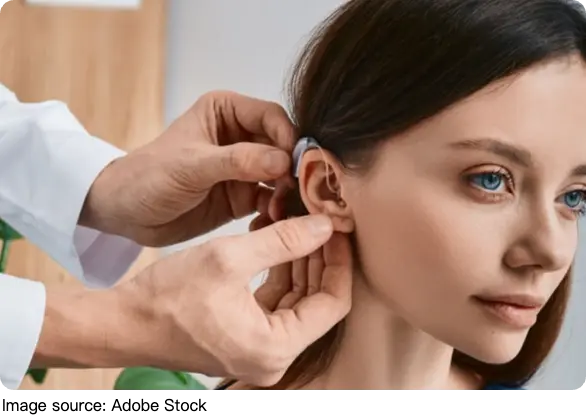
Age‑related hearing loss, medically termed presbycusis, is one of the most prevalent sensory impairments among older adults worldwide.
Characterized by gradual and progressive decline in auditory function, presbycusis often begins with diminished ability to hear high‑frequency sounds and can lead to difficulty in speech comprehension, especially in noisy environments.
This multifaceted condition stems from physiological changes in the auditory system due to aging, including cochlear degeneration and neural alterations, and its impacts extend beyond hearing alone to encompass social, cognitive, and emotional domains. Hearing aids stand at the forefront of clinical strategies designed to manage these consequences.
Wondering how food affects hormones? Learn simple diet tips to balance them naturally!
Your Risk Tolerance Might Be Wrong—Try This Simple Stress Test Before You Invest
The One Thing Billionaires Can’t Buy That’s Actually Fixing Global Poverty!
Your Savings Might Be Shrinking—Even If the Balance Is Growing
Side effects can be tough! What helps manage them without stopping treatment?
Small daily habits matter! Are you missing key steps that lower heart attack risk?
Age‑Related Hearing Loss
Presbycusis typically develops slowly over years and affects both ears symmetrically. While the primary underlying cause is degeneration within the inner ear structures including hair cells and cochlear neurons — additional factors such as long‑term noise exposure, cardiovascular health, and metabolic conditions also contribute to the severity of impairment.
Because these changes happen over decades, many individuals do not recognize early signs of hearing loss or may adjust to their gradually reduced hearing, attributing communication difficulties to “background noise” rather than sensory decline. Untreated hearing loss can lead to strained conversations, withdrawal from social interaction, and frustration during daily communication.
Clinical Benefits of Hearing Aids
Hearing aids are medical devices tailored to an individual’s specific hearing profile. Unlike simple sound amplifiers, modern hearing aids employ digital signal processing to enhance speech clarity, differentiate sound sources, and reduce background noise.
Evidence from clinical studies underscores several consistent benefits of hearing aid use for adults with age‑related hearing loss:
Improved Speech Perception: Research shows that individuals fitted with hearing aids demonstrate enhanced ability to recognize and understand speech, particularly in challenging listening situations, compared with unaided listening conditions. This improvement remains a primary and reliable clinical outcome.
Reduced Hearing Handicap: Systematic reviews indicate that hearing aid users report reduced perceived hearing handicap, meaning they feel less limited by their hearing impairment in daily activities such as conversations with family or participation in group settings.
Enhanced Listening Ability: Quantitative assessments reveal measurable gains in listening ability, including better performance on recognized hearing‑performance scales, when hearing aids are appropriately fitted and calibrated.
Positive Psychosocial Effects: Although evidence is more varied for broad psychosocial outcomes, many older adults report improvements in confidence and social engagement when hearing aids enable meaningful communication.
Technological Advances and Personalized Fitting
Modern hearing aids incorporate advanced technologies that enhance their utility beyond simple amplification:
Directional Microphones and Noise Reduction: These features improve the ability to focus on conversational speech while diminishing disruptive ambient noise, making conversations clearer in crowded or noisy environments.
Bilateral Fittings: Using matched devices in both ears can significantly improve spatial hearing – the brain’s ability to identify where sounds originate – which enhances comfort and comprehension in dynamic auditory settings.
Digital Signal Processing: Contemporary devices use sophisticated algorithms that adapt amplification based on the listening environment, increasing both sound quality and user satisfaction.
Personalized fitting remains essential. The effectiveness of a hearing aid largely depends on how well its amplification profile matches an individual’s specific hearing thresholds and lifestyle needs. Professional evaluation by an audiologist ensures that devices are configured properly and users receive training on their use and maintenance.

Addressing Broader Health Considerations
Although hearing aids do not restore normal hearing, they can play an important role in maintaining overall well‑being. Untreated hearing loss has been associated with increased risk factors for social isolation, depression, and cognitive strain.
While direct causation between hearing aid use and prevention of cognitive decline remains under investigation, experts observe that hearing aids may reduce the cognitive effort required to decipher speech, which could support mental processing in everyday communication. Such support may help older adults remain cognitively engaged and socially active, both important components of healthy aging.
Dr. Alison Grimes, Director of the UCLA Audiology Clinic and a clinical audiologist, has clearly said “Hearing aids have always been an important tool in health care… Today’s hearing aids… have the technology to help the user sort out intelligible speech from interfering noises. For someone who is having difficulty hearing, finding the correct aid can significantly improve their quality of life.”
Practical Challenges and Solutions
Despite clear benefits, hearing aid adoption remains lower than expected among older adults. Common barriers include cost, stigma associated with wearing visible devices, and adjustment challenges related to device use. Audiological counseling is a critical component of successful use, providing realistic expectations and strategies to integrate hearing aids into daily routines.
Hearing aids play a central role in managing age‑related hearing loss by improving speech perception, reducing the functional impact of hearing impairment, and enhancing participation in daily life. As technology evolves and accessibility improves, hearing aids remain a foundational intervention for preserving communication and quality of life in aging populations.