Tomatoes: Gut Health!

Santosh Jha
| 21-01-2026
 · News team
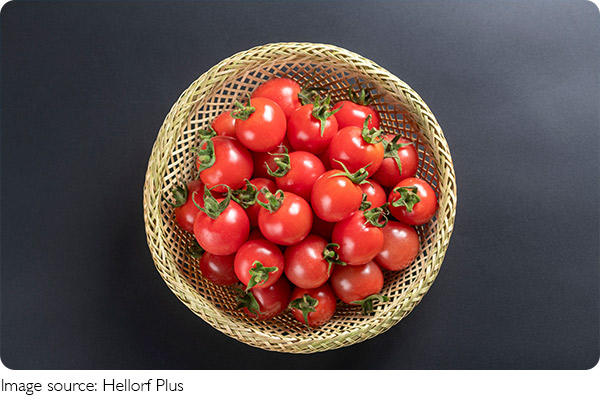
Tomatoes have long been appreciated for their flavor and nutritional value, but recent scientific work suggests their benefits may extend deeper into the complex community of microbes that live within the digestive system.
These microscopic residents, known collectively as the gut microbiome, play a vital role in digestion, immune balance, and overall health.
According to senior author Jessica Cooperstone, assistant professor of horticulture and crop science and food science and technology at The Ohio State University, “It’s possible that tomatoes impart benefits through their modulation of the gut microbiome.” This comment underscores the exploratory nature of the study and highlights the potential importance of tomatoes beyond traditional nutrition science.
Steps wobble, speech slurs! Brain signals misfire? What is ataxia and why it matters?
Harsh self-talk drains the mind! What if kindness heals more? Calm grows from inside!
Cleaning ears wrong? Cotton swabs risky! Small habits matter? Save hearing, avoid pain!
Before You Schedule Surgery, Ask This or Risk Paying More Than You Expect
Your Premium Jump Might Be From Two Years Ago—The IRMAA Detail Retirees Miss
Your Home Insurance Might Be Wrong—Here’s the Fastest Way to Tell
Why Microbial Diversity Matters
Microbial diversity refers to the number of distinct microbial species and their balance within the digestive environment. Higher diversity tends to be linked with more resilient microbial ecosystems that adapt well to stress and external changes. Studies in animals and humans have associated greater microbial diversity with better digestion, more stable energy regulation, and balanced immune signaling.
A higher ratio of Bacteroidota compared to Bacillota has been connected in other work with positive health outcomes, whereas the reverse ratio has sometimes been linked with less favorable profiles, including weight imbalance. This shift toward a more favorable ratio suggests tomatoes could influence the microbial landscape in ways that support overall digestive well-being.
Components of Tomatoes That May Drive Change
Tomatoes contain a variety of nutrients and bioactive compounds that can influence the microbial environment. Key among these are:
Dietary fiber: Tomatoes provide soluble and insoluble fiber, which microbes ferment to produce short-chain fatty acids, substances known to support a balanced digestive ecosystem.
Phytochemicals: These plant compounds, including lycopene and flavonoids, may support microbial balance by encouraging the growth of certain beneficial microbe groups. Prior research suggests that specific tomato-derived compounds can promote populations associated with positive microbial activity.
Antioxidants: Tomatoes are rich in several antioxidants, which help neutralize free radicals and may reduce subtle stress in the digestive environment, indirectly supporting microbial balance.
What This Means for Human Health
Although the recent research was conducted in an animal model, its findings provide a scientific basis for future human work. If similar effects occur in people, tomatoes could contribute to a range of beneficial outcomes tied to digestive balance, such as more consistent energy regulation, improved immune communication, and reduced discomfort after eating.
Understanding how specific foods shape the microbial environment may eventually allow more precise dietary guidance tailored to individual health needs. For now, tomatoes stand out as a common, affordable source of nutrients that show promise in influencing microbial composition.
Through changes in microbial diversity and composition, tomatoes may help create a more favorable environment for beneficial microbes. While further human studies are necessary to confirm these findings, current evidence reflects the potential of tomatoes to contribute meaningfully to a healthful, microbe-supportive diet.