Health Value of Matcha!

Chandan Singh
| 20-01-2026
 · News team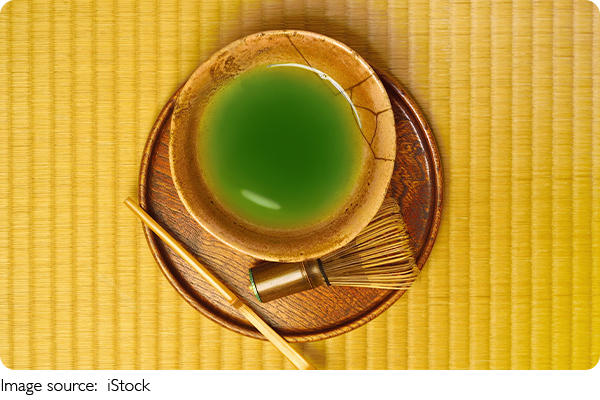
Matcha has gained global attention not only for its vibrant green color but also for its unique role in health-focused nutrition.
The entire leaf is consumed rather than steeped and discarded, which changes both its nutritional profile and its physiological effects.
What Makes Matcha Distinct from Other Teas
Matcha comes from shade-grown tea plants. Several weeks before harvest, the plants are protected from direct sunlight. This process increases chlorophyll and certain amino compounds within the leaves. After harvesting, stems and veins are removed, leaving a refined leaf material known as tencha, which is stone-ground into powder.
Matcha is a fine powder derived from specially grown and processed green tea leaves. The unique agricultural and preparation methods used for matcha distinguish it from standard green tea.
High highs, deep lows! More than moods? Early signs matter!
Charm on the surface, rules ignored! Is it rebellion or a real disorder?
Harsh self-talk drains the mind! What if kindness heals more? Calm grows from inside!
Red, juicy, gut-friendly! Fiber feeds microbes? Better digestion, less bloat!
Steps wobble, speech slurs! Brain signals misfire? What is ataxia and why it matters?
Smart staging boosts emotion, speed, and price. A thousand spent clarifying space and flow can unlock faster sales and higher offers.
Concentrated Antioxidant Activity
One of matcha’s most studied strengths lies in its antioxidant density. The shade-growing process raises catechin levels, especially epigallocatechin gallate (EGCG). This compound helps limit oxidative stress caused by environmental exposure and daily metabolic activity. As Dr. Andrew Weil notes,'' Matcha tea is rich in catechin polyphenols – compounds with exceptional antioxidant activity. These compounds may offer protection against many kinds of cancer, help prevent cardiovascular disease and slow the aging process.'' Because the whole leaf is ingested, matcha delivers a higher concentration of these protective compounds compared with infused tea.
Balanced Energy and Mental Clarity
Matcha contains natural caffeine, yet its effect feels smoother and more stable than coffee. This difference comes from the presence of L-theanine, an amino compound that promotes calm alertness. L-theanine influences neurotransmitter activity, encouraging focus without agitation.
Support for Metabolic Efficiency
Metabolic health is another area where matcha shows specific value. EGCG and related polyphenols have been shown to assist thermogenic activity, meaning the body becomes slightly more efficient at using stored energy. This effect remains mild but consistent when matcha is consumed regularly as part of a balanced diet.
Drink Matcha Tea Every Day, See What Happens To Your Body!
Barbara O'Neil
Cardiovascular and Circulatory Benefits
Matcha contributes to cardiovascular wellness through its influence on lipid balance and vascular function. Research published in food science journals indicates that green tea compounds help maintain healthy cholesterol ratios and support flexible blood flow.
These benefits arise from antioxidant action within the circulatory system, helping maintain elasticity and reducing inflammatory markers. Regular intake, paired with appropriate lifestyle habits, plays a supporting role rather than acting as a standalone solution.
Digestive Comfort and Daily Tolerance
Another overlooked advantage of matcha is its gentle interaction with digestion. The presence of fiber from the whole leaf aids digestive rhythm, while the amino compounds help reduce irritation sometimes caused by acidic drinks. Modern nutritional guidance supports this practice, especially for individuals sensitive to harsher caffeinated drinks.
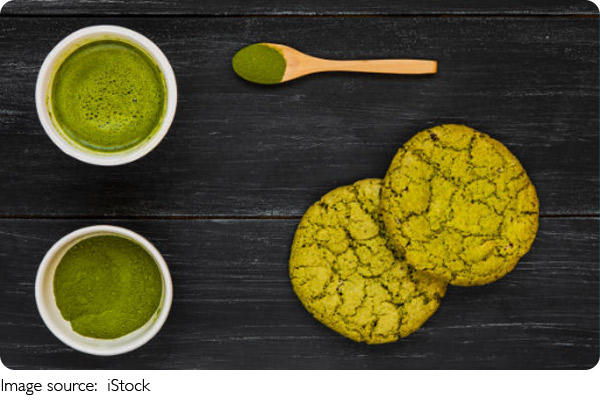
Matcha stands apart from other teas due to its cultivation, preparation, and complete-leaf consumption. Its health value comes from concentrated antioxidants, balanced mental energy, metabolic support, and cardiovascular protection. Rather than acting as a miracle ingredient, matcha functions as a refined nutritional tool rooted in tradition and confirmed by modern research. When quality sourcing and moderate intake are maintained, matcha offers a credible and meaningful contribution to everyday wellness.