5 Foods: Support Hydration

Chandan Singh
| 26-02-2026
 · News team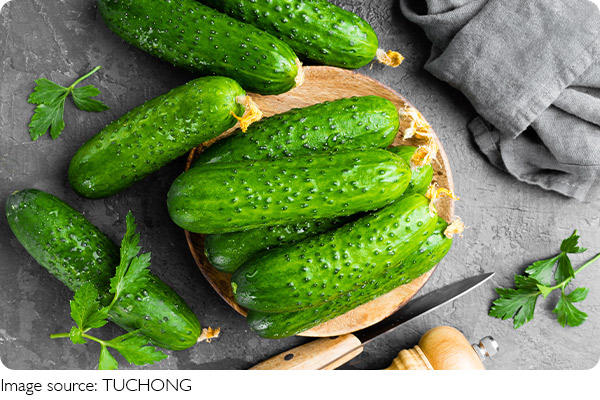
Hydration is often associated only with drinking water, yet a significant portion of daily fluid intake comes from food.
Many fruits and vegetables contain high water content along with minerals and natural compounds that help the body maintain fluid balance.
Why Food-Based Hydration Matters
Water from food is absorbed more gradually than plain liquids. This slower absorption helps maintain hydration for longer periods. Foods rich in water also provide electrolytes such as potassium and magnesium, which help manage fluid balance within tissues.
Dr. Lawrence E. Armstrong, a renowned hydration researcher and professor emeritus at the University of Connecticut, has published extensively on the physiological importance of water, noting that water is essential for metabolism, substrate transport, cellular homeostasis, temperature regulation, and circulatory function in the human body — functions that are critical for life and health.
Blood sugar history matters! One test shows months? Catch risk early, act smarter!
One Hidden Credit Card Trick That Can Shrink Interest Faster Than You Think
Your Credit Score Might Be Dropping for This Simple Reason—Fix It Before Next Month
Your Credit File Might Hide Errors—Here’s How to Spot Them in Minutes
Medical Debt Could Hit Your Credit Again—Here’s What’s Changing and Why It Matters
This One Autopay Move Can Boost Your Credit Fast—Most Graduates Skip It
1. Watermelon: Hydration With Natural Refreshment
Watermelon is one of the most hydrating foods available, containing over ninety percent water. Its structure allows fluid to be released gradually during digestion, helping maintain hydration levels over time. In addition to water, watermelon provides potassium, a mineral that supports fluid balance and muscle function. Its natural sweetness makes it appealing without the need for added sugars.
Watermelon also contains lycopene, an antioxidant that supports cellular protection. Because of its high water content and gentle digestion, watermelon is particularly useful during hot conditions or after physical exertion.
2. Cucumber: Light, Cooling, and Water-Rich
Cucumbers are composed of roughly ninety-five percent water, making them one of the most effective foods for hydration. Their mild flavor and crisp texture make them easy to include in meals or snacks. Cucumbers provide small amounts of vitamin K and potassium while remaining very low in calories. Their cooling effect is often appreciated during warm seasons.
3. Oranges: Fluid and Electrolytes Combined
Oranges offer a combination of water, natural sugars, and minerals that support hydration and energy balance. With a water content close to eighty-seven percent, oranges help replenish fluids while also supplying potassium and vitamin C. The natural sugars in oranges support absorption and provide quick energy without sharp spikes when eaten whole. Fiber within the fruit slows digestion, allowing fluids to remain available for longer periods.
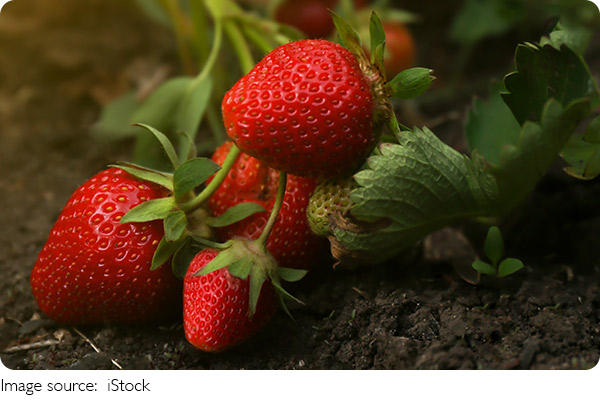
4. Strawberries: Small Fruit With High Water Content
Strawberries contain about ninety-one percent water and deliver hydration in a compact, flavorful form. Their high vitamin C content supports tissue maintenance, while antioxidants help reduce oxidative stress. Strawberries also provide manganese and fiber, contributing to overall nutritional balance. Their water is bound within delicate cell walls, releasing gradually during digestion.
5. Yogurt: Sustained Hydration Through Structure
Plain yogurt contributes to hydration through both its water content and its thick texture. While not as water-rich as fruits, yogurt retains fluid within the digestive system for longer periods due to its protein structure. Yogurt also provides minerals such as potassium and calcium that support fluid balance. Its natural cultures support digestive comfort, which indirectly supports efficient nutrient and fluid absorption.
How These Foods Work Together
Hydrating foods work best when combined throughout the day. Fruits deliver quick hydration, while foods like yogurt extend fluid availability. This combination supports steady hydration rather than rapid loss. Eating hydrating foods alongside regular water intake creates a more complete hydration strategy. Meals become opportunities to support fluid balance rather than relying only on beverages.
When Hydrating Foods Are Especially Helpful
Hydrating foods are valuable during long work hours, travel, warm climates, or periods of increased physical activity. They are also helpful for individuals who struggle to drink enough water due to taste preferences or busy schedules. Older may benefit especially from food-based hydration, as thirst signals may become less noticeable with age. Including hydrating foods adds an extra layer of support.
Hydration extends beyond drinking water alone. Foods with high water content play a meaningful role in maintaining fluid balance while providing essential nutrients. Watermelon, cucumber, oranges, strawberries, and yogurt each support hydration in unique ways, from rapid fluid delivery to sustained absorption. By including these five foods regularly, hydration becomes easier, more enjoyable, and more nutritionally complete.