Gold's Modern Mandate

Chandan Singh
| 30-03-2026
 · News team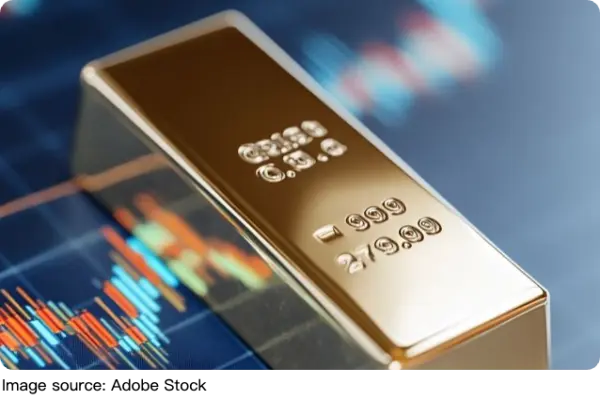
Hey Lykkers! Let’s talk about something that feels timeless in our world of digital wallets and crypto volatility: the solid, cold weight of a gold bar. It’s been a symbol of wealth for millennia. But in a modern portfolio filled with stocks, ETFs, and bonds, does physical gold still have a role, or is it a relic?
Think of it not as a get-rich-quick scheme, but as a potential anchor—a stabilizer for your financial ship when the markets get stormy. Let’s dig into why and how you might hold this ancient asset today.
Why Gold? The Timeless Hedge
Gold’s primary superpower in a portfolio isn’t high growth; it’s preservation. It famously has a low correlation to stocks. When equities tumble in a crisis, gold often holds its ground or even rises as investors seek safety. It’s a hedge against two big fears:
Does that old tune bring back lost memories? It’s wild how it clicks! What songs hit you hardest?
Sore throat hitting again? Simple tricks keep it away daily!
Rash or bump ignoring you? Simple signs scream trouble now!
Up and moving, eyes closed! Mind asleep, body awake?
Ears hiding wild secrets? Easy medical truths change how you hear!
Your Jewelry Box is a Secret Bank Account. Here's How to Make a Withdrawal!
1. Inflation: When paper currency loses purchasing power, hard assets like gold tend to retain theirs.
2. Systemic Risk: It’s the ultimate off-grid asset. No counterparty risk, no CEO can mismanage it, and it’s not a liability on anyone else's balance sheet.
The Allocation Question: How Much Is Just Right?
This is where wisdom matters. Gold is not meant to be the engine of your portfolio; it’s the shock absorber. Most mainstream financial advisors suggest a small, strategic allocation, typically between 5% and 10% of your total investable assets.
Why so modest? Because gold has a long-term opportunity cost—it doesn’t pay dividends or interest. Legendary investor Warren Buffett has famously criticized it for this, explaining that even a century from now, a massive pile of gold "will be unchanged in size and still incapable of producing anything" (Berkshire Hathaway 2011 Annual Shareholder Letter). He prefers productive assets like businesses. This is a valid point, which is why gold’s role is specific: insurance, not growth.
In The New Case for Gold, investment strategist James Rickards argues that holding a portion of gold in a portfolio can function like insurance: you accept a relatively low yield in exchange for meaningful protection against extreme market or monetary disruptions, sometimes called tail-risk events.
Physical vs. Paper: The Tangibility Trade-Off
Here’s the crucial decision: Do you want the actual metal or a paper claim on it?
Physical Gold (Bullion, Coins): You own a tangible asset. It provides privacy and total control. The downsides? You must pay a premium over the spot price, arrange for secure storage (a safe deposit box or home safe), and ensure proper insurance.
"Paper" Gold (ETFs like GLD): This is far more convenient. It’s traded like a stock, with no storage hassle. However, you own shares of a trust that holds gold, not the metal itself. This introduces minimal, but non-zero, counterparty risk.
For the anchor function, many purists argue for physical possession. The peace of mind in truly holding your wealth is part of its psychological value.
Your Action Plan: How to Anchor Wisely
1. Determine Your Allocation: Start small, within that 5-10% range. This is a long-term holding, not a trade.
2. Choose Your Form: Decide if your goal is ultimate security (physical) or pure convenience (ETF). Many seasoned holders do both.
3. Buy Reputably: Only use established, reputable bullion dealers or major brokerage platforms. Avoid numismatic coins for pure investment; stick to well-known bullion coins (like American Eagles, Canadian Maple Leafs) or bars from recognized refiners.
4. Secure It: If you go physical, have a secure storage plan in place before you buy.

Lykkers, gold is a unique asset class. It won’t make you wildly rich, but it might help you sleep better at night. In a world of digital abstraction, its enduring physicality offers a unique kind of financial serenity. Is that peace of mind worth a small corner of your portfolio?