Viruses in Daily Life

Liam Reilly
| 19-01-2026
 · News team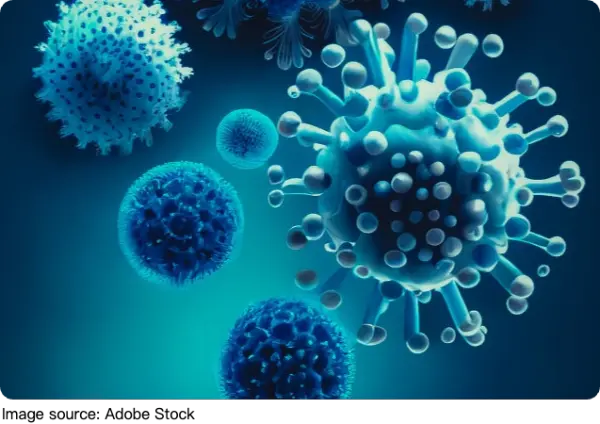
Viruses remain a constant part of daily life, spreading quietly through shared spaces, routine contact, and seasonal changes.
While medical advances continue to improve treatment options, prevention remains the most reliable and accessible defense.
Understanding How Viruses Spread
Viruses spread primarily through close contact, contaminated surfaces, and airborne particles released during speaking, coughing, or sneezing. Many viral particles survive for extended periods on frequently touched objects such as door handles, mobile devices, and shared tools. Transmission often occurs before visible signs appear, making preventive habits important even during periods of apparent wellness.
The Role of Hand Hygiene
Genetics cursing your eyes? Lifestyle tweaks banish them fast!
Family drama spiking your pulse? Breathe deep & set boundaries now!
High sugar runs? Small daily habits help! Eat better, move more, stay steady?! Start today!
Cluster headaches crushing you? Oxygen therapy zaps attacks fast!
This One Insurance Call Could Cost You for Years—Do This First
One Budget Fix Most People Skip That Can Speed Up Debt Payoff Immediately
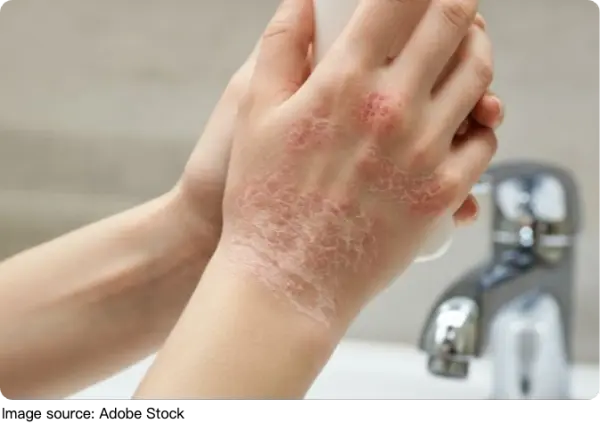
Clean hands remain one of the strongest barriers against viral spread. Hands frequently contact surfaces that carry microscopic particles, which can then reach the face during routine actions. Proper hand cleaning using soap and water removes these particles through mechanical action, not just chemical cleansing.
In public health discussions, infectious disease expert Dr. Anthony Fauci highlighted hand hygiene as a core principle for reducing the spread of viruses, noting that washing your hands regularly is among the key measures that work to limit transmission.
Respiratory Awareness and Social Consideration
Respiratory particles are a common route of viral transmission. Covering the mouth and nose during coughing or sneezing reduces the distance these particles travel. Using tissues or the inner elbow prevents contamination of hands and surrounding surfaces. Maintaining reasonable physical distance during periods of increased illness circulation further limits exposure.
Surface Cleanliness and Shared Spaces
Viruses can remain active on surfaces depending on environmental conditions. Regular cleaning of commonly touched areas reduces the chance of indirect transmission. Items such as phones, keyboards, light switches, and countertops benefit from routine disinfection.
Workplaces, schools, and households that adopt regular cleaning schedules demonstrate lower rates of illness spread. The focus remains on consistency rather than excessive sterilization, ensuring safety without unnecessary disruption.
Airflow and Environmental Factors
Fresh air plays an important role in reducing viral concentration in indoor spaces. Proper ventilation disperses airborne particles and lowers exposure intensity. Opening windows, using fans appropriately, and maintaining ventilation systems contribute to healthier indoor environments.
Personal Health Awareness and Responsibility
Paying attention to early signs of illness supports prevention efforts. Reducing close contact during periods of discomfort limits spread and allows recovery. Adequate rest, hydration, and balanced nutrition support immune resilience, making the body better prepared to respond to exposure. Preventive health measures also include staying informed through reliable medical sources rather than rumors or unverified claims.
Preventing the spread of viruses depends on consistent, practical habits rather than complex interventions. Clean hands, respiratory awareness, surface hygiene, proper airflow, and responsible daily choices form a reliable foundation for public health protection. When applied regularly, simple actions create meaningful barriers against viral transmission and contribute to a healthier environment for all.