Dark Circles Decoded

Caroll Alvarado
| 19-01-2026
 · News team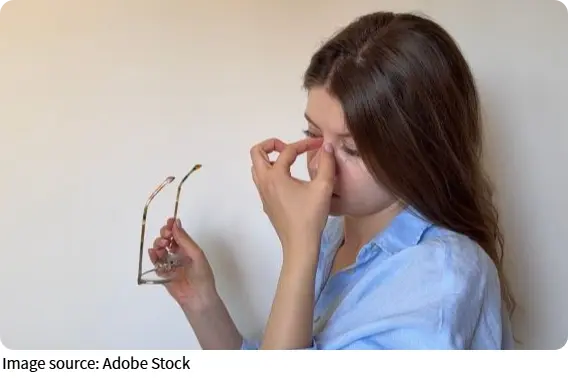
Dark circles under the eyes are a common concern across many age groups and skin types.
Although often associated with fatigue, their origin is far more complex.
Skin structure, inherited traits, daily habits, and internal health conditions all contribute to changes in color and shadow around the eye area. Understanding these factors helps separate temporary appearance changes from long-term patterns.
The Unique Structure of the Eye Area
The skin beneath the eyes is thinner and more delicate than skin on other parts of the face. This thinness allows underlying blood vessels and pigmentation to become more visible. Reduced collagen and slower skin renewal over time further increase transparency, making discoloration more noticeable.
Family drama spiking your pulse? Breathe deep & set boundaries now!
High sugar runs? Small daily habits help! Eat better, move more, stay steady?! Start today!
Cluster headaches crushing you? Oxygen therapy zaps attacks fast!
This One Insurance Call Could Cost You for Years—Do This First
One Budget Fix Most People Skip That Can Speed Up Debt Payoff Immediately
Your Credit Score Can Jump Faster Than You Think—Do This Before Your Next Statement
Genetic Predisposition and Inherited Traits
Genetics play a major role in the development of dark circles. Some individuals inherit thinner skin, deeper tear troughs, or higher pigment concentration around the eyes. These traits often appear early in life and persist regardless of sleep quality or skincare habits.
Dermatology research confirms that inherited face structure affects how light and shadow fall beneath the eyes. Deeper-set eyes naturally create darker shading, even in excellent health. In such cases, topical products may have limited impact because the cause lies beneath the surface.
Board-certified dermatologist Dr. Hartman explains that under-eye dark circles most often result from a combination of inherited traits and skin characteristics. People who come from families with a tendency toward darker under-eye coloration are more likely to develop them, and naturally thinner skin in the under-eye area can make underlying blood vessels and shadows more visible. Aging and lifestyle factors like sleep patterns, hydration, and sun exposure can also influence how pronounced they appear.
Lifestyle Factors That Intensify Appearance
Daily habits strongly influence how noticeable dark circles become. Inadequate sleep reduces skin recovery time and slows circulation, allowing darker tones to appear more prominent. Irregular sleep patterns can also disrupt fluid balance around the eyes, creating shadowing.
Extended screen exposure contributes by increasing eye strain and reducing blink frequency. This leads to dryness and subtle inflammation, which may deepen discoloration. Dehydration also affects skin clarity, making thin areas appear dull and shadowed.
Nutrition plays a supporting role. Diets lacking sufficient iron, vitamin C, or antioxidants may reduce skin brightness and resilience. While food alone does not cause dark circles, deficiencies can worsen their appearance over time.
Health-Related Contributors
Certain health conditions influence under-eye coloration indirectly. Allergic reactions are a frequent cause, leading to congestion and rubbing around the eyes. Repeated rubbing weakens the skin barrier and increases pigmentation. Sinus congestion can also slow circulation in nearby face vessels, creating a darker appearance beneath the eyes. These effects often fluctuate depending on environmental exposure and seasonal changes.
Pigmentation and Skin Tone Considerations
Increased pigment production around the eyes is more common in individuals with medium to deep skin tones. This type of dark circle appears brown rather than blue or purple. Sun exposure can intensify this effect by stimulating melanin production in already sensitive skin.
Aging and Structural Changes
As the skin matures, natural collagen loss reduces firmness and elasticity. This process deepens hollows beneath the eyes and increases transparency. These changes occur gradually and vary widely between individuals. While aging contributes to dark circles, it is rarely the sole factor. Instead, it interacts with genetics and lifestyle habits to shape overall appearance.
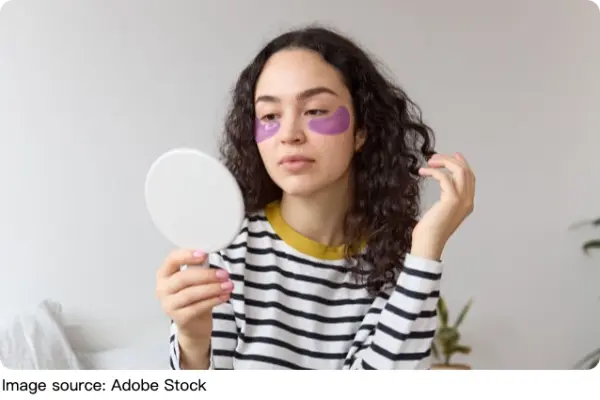
Dark circles under the eyes result from a combination of genetic traits, lifestyle influences, skin structure, and health-related factors. Thin skin, inherited face contours, circulation patterns, and pigment levels all play specific roles. Daily habits such as sleep quality, hydration, and screen use can intensify or soften their appearance, while aging introduces gradual structural changes. Understanding these distinct causes allows for realistic expectations and informed care choices.