Almond: Heart Health!

Pankaj Singh
| 16-01-2026
 · News team
Almonds are often praised for their rich nutrient profile, but their specific role in supporting heart health goes beyond general wellness talk.
Heart health depends on a complex balance of healthy blood levels, blood vessel performance, and dietary patterns throughout life.
Almonds: A Nutrient Powerhouse with Heart-Friendly Components
At a glance, almonds may appear simple, but each serving delivers nutrients that matter for heart function. They contain a high proportion of monounsaturated components linked to improved blood lipid profiles compared to diets high in saturated options.
These elements help maintain favorable cholesterol levels in the bloodstream. In addition, almonds provide fiber, vitamin E, magnesium, and potassium—nutrients shown to play supportive roles in maintaining balanced vascular function and healthy circulation. The combination of these nutrients creates an environment where strong cardiovascular health can thrive.
Sharp stabs in toes? Heels burning nonstop! Morton's neuroma hides in tight shoes—swell, zap pain!
Think every hospital bill ruins credit? Not anymore. Learn which debts count, which vanish, and how to stay clear.
One Mistake Can Restart the Clock on Old Debt—Here’s How to Avoid It
Drowning in Bills? These Debt Tools Can Change Everything—But Only If You Pick the Right One
Young and Healthy? This One Move Can Lock In Life Insurance Advantages for Years
Thinking of Dropping Auto Insurance? Read This Before You Risk Everything
Lowering “Bad” Cholesterol for Heart Protection
One specific way almonds improve heart health is through their impact on cholesterol levels. Scientific studies have found that consuming almonds regularly can result in a measurable reduction in low-density lipoprotein (LDL) cholesterol, often labeled the “bad” cholesterol because elevated levels are linked with higher cardiovascular risk.
Supporting Blood Vessel Function
Healthy blood vessels are essential for strong heart performance. Blood vessel lining, technically known as the endothelium, plays a major role in regulating blood flow and blood pressure. Some clinical investigations have shown that snacking on almonds—when used instead of calorie-dense processed snacks contributes to improved blood vessel dilation. This response suggests that almonds may enhance endothelial function, allowing blood vessels to relax and contract more effectively as needed.
Antioxidant Protection and Heart Health
Almonds also supply valuable antioxidants, particularly vitamin E, which help counteract oxidative stress. Oxidative stress is a chemical imbalance that occurs when the body’s antioxidant defenses are overwhelmed by reactive molecules. This imbalance has been linked with aging processes and cardiovascular risk factors. The antioxidant properties of almonds contribute to protecting blood lipids from oxidative damage, which can be an early step in the development of cardiovascular issues
Dr. Adam Drewnowski, a respected professor of epidemiology and nutrition expert, explained:
“Almonds represent a powerful nutrient package and are one of the most researched foods in the world. Bringing together diverse perspectives and deep expertise, the group unanimously concluded that almonds positively impact cardiometabolic health. Potential mechanisms include reducing LDL-cholesterol and modestly decreasing diastolic blood pressure, aiding in healthy weight management and supporting gut health.”
Practical Ways to Include Almonds in Daily Eating
Integrating almonds into daily meals does not require dramatic changes. A simple handful of unsalted almonds consumed as a snack or sprinkled over salads, plain yogurt, or breakfast cereals provides a concentrated boost of heart-friendly nutrients. Even modest amounts eaten consistently can contribute to improved blood lipid levels, better blood vessel responses, and enhanced antioxidant protection.
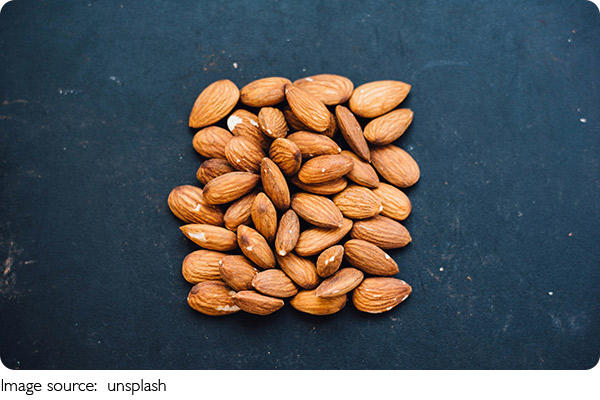
Consuming almonds regularly as part of a nutrient-rich diet aligns with heart-healthy dietary patterns recommended by health professionals worldwide. From improving cholesterol profiles to offering antioxidant protection and enhancing vascular responses, almonds present an accessible and natural way to support cardiovascular well-being.