Safer Crypto Use

Caleb Ryan
| 08-01-2026
 · News team
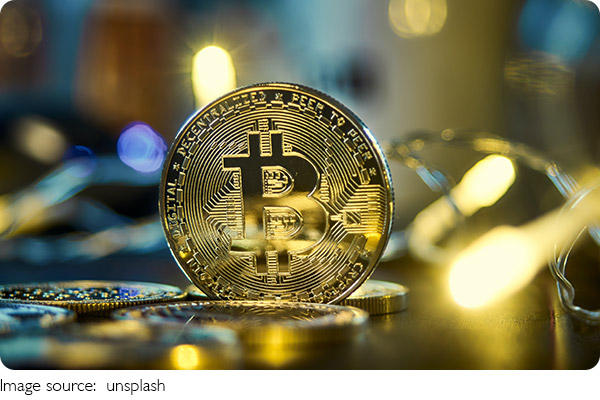
Cryptocurrency is internet-native money secured by cryptography and recorded on shared databases called blockchains. It’s designed for sending value globally without relying on a bank.
Popular names include Bitcoin, Ethereum, and Dogecoin, but thousands of tradable tokens exist with wildly different purposes and quality.
How It Works
Instead of one company keeping the books, a network of computers maintains a public ledger that tracks balances and transfers. Every new batch of transactions is grouped into a “block,” linked to the prior block, and broadcast so thousands of copies stay in sync. This structure makes tampering extremely difficult.
Keys And Wallets
Owning crypto means controlling private keys—secret codes that authorize spending. A “public key” (or address) can be shared to receive funds; the private key must remain hidden. Lose that private key and access is gone. Wallets come in two broad types: online “hot” wallets for convenience and offline “cold” hardware for maximum security.
Digital Collectibles Are Booming—Here’s What an NFT Actually Means
Sitting on Cash to “Wait and See”? This Strategy Gap Can Shrink Long-Term Growth
Rolled Over Your IRA—Then Found an Annuity? Here’s the Escape Plan Most People Miss
Down Market? Here’s the Tax Trick Many Investors Miss
Your Emergency Fund Might Be Failing You—Here’s the Simple Fix
This “Safe” Strategy Can Quietly Wreck Your Retirement—Here’s Why
Andreas M. Antonopoulos, a crypto educator, states, “Not your keys, not your coins.”
Blockchain Basics
A blockchain is a distributed ledger: anyone can verify the math, and no single party decides whose transaction counts. Transparency comes from the shared history; privacy comes from pseudonymous addresses. Some chains support programmable transactions—smart contracts—that power apps for lending, trading, gaming, and digital collectibles.
Proof-of-Work
Bitcoin and some others secure their networks with proof-of-work. Specialized machines compete to solve cryptographic puzzles; the winner adds the next block and earns newly issued coins plus fees. This approach is time-tested but resource-intensive, which is why energy usage is central to debates about proof-of-work assets.
Proof-of-Stake
Newer networks favor proof-of-stake. Instead of spending electricity, participants “stake” coins as collateral and are randomly chosen to validate blocks. Honest behavior earns rewards; misconduct is penalized by slashing part of the stake. This design reduces energy needs and helps the network scale for heavier usage.
Pros
Crypto settles value globally without bank schedules, enabling 24/7 transfers. Ownership rests with the holder of the keys, not an intermediary. Scarcity rules coded into some assets—like a hard supply cap—appeal to investors seeking alternatives to traditional money. And open blockchains have spawned new software ecosystems.
Cons
Prices can swing sharply, sometimes in minutes. Self-custody adds responsibility: lose credentials and funds cannot be recovered. Projects vary from robust to experimental, and some fail. Rules differ by region and continue to evolve, which can affect access, taxes, and business models. Scams exploit hype and confusion.
Buying Crypto
The simplest route is a reputable exchange or brokerage app that supports deposits, withdrawals, and clear fee disclosures. Many platforms also allow recurring buys to smooth volatility. After purchasing, consider transferring to a wallet you control, especially for long-term holdings or larger balances.
Trading Basics
Exchanges match buyers and sellers, charging a spread and fees. Limit orders let you set a price; market orders fill instantly at current levels. Because swings are common, risk controls matter: size positions modestly, diversify, and avoid leverage unless you fully understand liquidation risks.
Storing Safely
For everyday use, a hot wallet connected to the internet is convenient. For durable storage, a hardware wallet keeps private keys offline. Protect seed phrases on paper or engraved metal, stored securely and never photographed. Enable multi-factor authentication on all accounts and beware of phishing prompts to “upgrade” coins—those are scams.
Major Coins
Bitcoin is the original network focused on simple, censorship-resistant value transfer and a fixed supply. Ethereum adds programmable smart contracts and hosts many apps and tokens. Cardano and similar chains use proof-of-stake from the outset. Dogecoin began playfully but built a large community. Exchange-issued “utility” tokens offer fee discounts within specific platforms.
Mining And Staking
Proof-of-work mining now favors industrial-scale operators with specialized hardware and low energy costs. For everyday investors on proof-of-stake networks, staking through a reputable validator or pooled service can earn rewards, but assess lock-ups, fees, and slashing risks before opting in.
Taxes And Fees
In many jurisdictions, selling crypto, swapping one coin for another, or using it to buy goods creates a taxable event, similar to stocks. Keep accurate records of cost basis, proceeds, and holding periods. Expect network fees (paid to validators/miners) and platform fees; both reduce net returns.
Is It Right For You?
Treat crypto as a high-risk satellite holding, not a core portfolio anchor. Many planners suggest capping exposure at a small single-digit percentage, rebalancing on a schedule, and focusing on durable projects with real usage rather than chasing every new token. Time in the market usually beats timing the market.
Warning Signs
Guaranteed returns, pressure to act fast, or requests to share seed phrases are classic warning signs. New coins promising riches without clear purpose or transparent documentation warrant extra skepticism. If an offer sounds effortless or exclusive, step back and verify with independent sources.
Conclusion
Cryptocurrency blends computer science and finance to move value without traditional gatekeepers, unlocking new applications—and new risks. Success as an investor comes from understanding the mechanics, storing assets safely, sizing positions conservatively, and staying patient through volatility. A clear plan for custody, position sizing, and recordkeeping matters more than chasing the next trend.