Prevent Skin Cancer!

Amit Sharma
| 13-01-2026
 · News team
Skin cancer is one of the most common health conditions worldwide, yet it is also among the most preventable.
It develops when skin cells are damaged, most often by repeated exposure to ultraviolet (UV) radiation from the sun or artificial sources.
Understanding the Main Risk Factors
The primary cause of skin cancer is excessive exposure to UV radiation. This radiation penetrates the skin and damages cell structure, leading to abnormal growth over time. Both direct sunlight and artificial tanning devices emit UV rays capable of causing harm. Fair skin, a history of frequent sunburns, and prolonged outdoor exposure increase vulnerability, but skin cancer can affect all skin tones.
Daily Sun Protection Habits
Road Trip Ready? This Quick Insurance Check Can Save You Thousands
Think You Know Life Insurance? This “Split” Agreement Can Rewrite the Payout Rules
One Simple Planning Move That Cuts Delays and Confusion Later
Buy Life Insurance in Your 20s? The One Move That Could Save You for Decades
Don’t Fly Yet—Buy This First or Risk Losing Your Entire Trip Budget
Most Traders Pick the Wrong Exchange—Here’s the Simple Test That Fixes It
One of the most effective prevention strategies is consistent sun protection. Applying a broad-spectrum sunscreen with a sun protection factor (SPF) of at least 30 helps block harmful rays. Sunscreen should be applied generously to exposed skin and reapplied every two hours when outdoors, especially after sweating or swimming.
Protective clothing adds another strong layer of defense. Long-sleeved shirts, wide-brimmed hats, and tightly woven fabrics reduce direct exposure. Sunglasses designed to block UV radiation protect the delicate skin around the eyes, an area often overlooked.
Timing Outdoor Activities Wisely
UV radiation reaches its strongest levels between late morning and mid-afternoon. Planning outdoor activities earlier or later in the day can significantly reduce exposure. When extended time outdoors is unavoidable, seeking shade whenever possible helps limit direct sun contact.
Avoiding Artificial Tanning Devices
Indoor tanning devices emit concentrated UV radiation that accelerates skin damage. Studies consistently show that use of tanning beds increases the risk of developing skin cancer, especially when exposure begins at a young age. Artificial tanning does not offer a safe alternative to natural sunlight and should be avoided entirely. Natural skin tone variation is a sign of health, not a flaw.
Regular Skin Monitoring
Early detection is an important part of prevention. Regularly examining the skin allows changes to be noticed before they become serious. New spots, changes in color, uneven borders, or areas that do not heal should prompt professional evaluation. Routine skin checks by trained medical professionals provide additional reassurance. These evaluations are especially important for individuals with a family history of skin cancer or those with high sun exposure over many years.
Supporting Skin Health From Within
Nutrition plays a supportive role in skin protection. Diets rich in fruits, vegetables, and whole foods provide antioxidants that help protect skin cells from environmental stress. Adequate hydration supports skin resilience and surface repair. While diet alone cannot prevent skin cancer, it complements external protection and supports overall skin function. Balanced nutrition strengthens the body’s natural defense systems.
According to the American Academy of Dermatology, skin cancer is one of the most frequently diagnosed cancers in the United States, and many cases can be prevented through consistent sun protection and early detection.
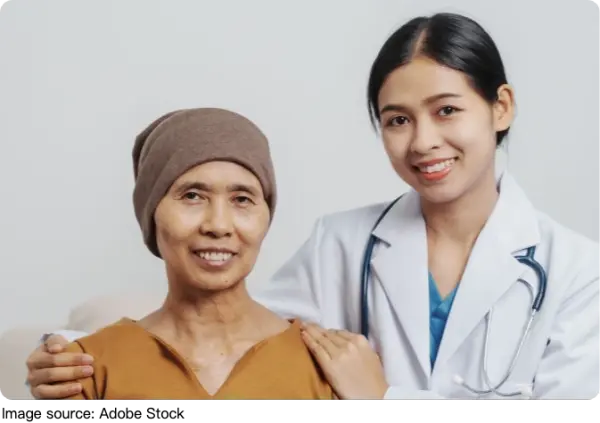
Preventing skin cancer relies on informed, consistent actions rather than complex interventions. Limiting UV exposure through sunscreen, protective clothing, and smart timing of outdoor activities forms the foundation of prevention. By treating sun protection as a daily priority, long-term skin health becomes an achievable and practical goal.