The Benefits of Beans

Raghu Yadav
| 06-01-2026
 · News team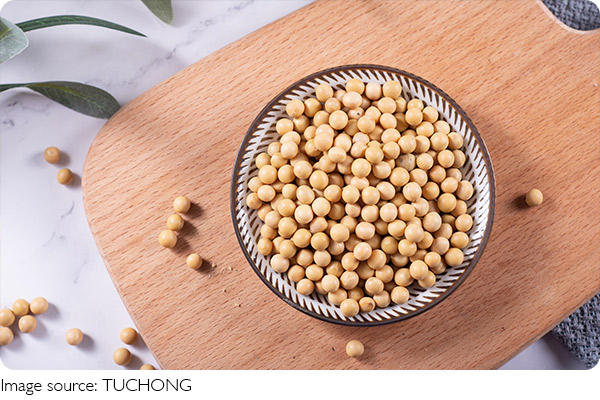
Beans have been part of human diets for thousands of years, valued across cultures for their nourishment, reliability, and versatility.
Despite their long history, beans are sometimes underestimated in modern eating habits.
A Nutritional Profile Designed for Balance
Beans stand out because they deliver several essential nutrients in one simple package. They provide plant-based protein, complex carbohydrates, and dietary fiber in meaningful amounts. This combination supports steady energy rather than sharp rises and falls after meals. Unlike refined foods, beans release energy slowly, helping maintain focus and stamina throughout the day.
Beans also supply important minerals such as iron, magnesium, potassium, and zinc. These nutrients support muscle function, nerve signaling, and fluid balance. In addition, beans contain B vitamins that play a role in energy metabolism. This layered nutrition makes beans valuable for people seeking nutrient density without excess calories.
From Persistent Fatigue to Mood Changes: A Comprehensive Guide to Recognizing Hormonal Imbalance Symptoms
The “Harmless” Tip That Can Trigger a Market Investigation
Most Investors Miss This: A Livable Portfolio Beats an Optimized One
If Trading Feels Like a Game, Your Savings May Be the Prize
The Beginner Investing Plan That Avoids Costly Mistakes (And Starts Small)
This “Safe” Strategy Can Quietly Wreck Your Retirement—Here’s Why
Fiber: The Foundation of Their Power
One of the strongest reasons beans are considered a near-perfect food is their fiber content. Both soluble and insoluble fibers are present. Soluble fiber helps regulate cholesterol levels and supports stable blood sugar patterns. Insoluble fiber supports digestive regularity and comfort.
Regular bean consumption has been linked to improved metabolic health in numerous population studies. Fiber-rich foods also promote a feeling of fullness, which can help regulate portion sizes naturally. Unlike many processed foods that lack fiber, beans offer this benefit without added ingredients or artificial enhancement.
Protein Without Complexity
Beans provide a reliable source of protein derived entirely from plants. While individual bean varieties may not contain every amino acid in ideal proportions, they still contribute significantly to daily protein needs when eaten as part of a varied diet. Combined with whole grains or vegetables, beans support muscle maintenance and tissue repair efficiently.
Natural Support for Blood Sugar Stability
Beans have a low glycemic impact, meaning they do not cause rapid spikes in blood sugar after meals. Their fiber and complex carbohydrate structure slow digestion and absorption. This quality makes beans particularly valuable for people aiming to maintain steady energy levels throughout the day.
Protective Plant Compounds
Beyond vitamins and minerals, beans contain plant compounds such as polyphenols and antioxidants. These compounds help protect cells from oxidative stress caused by everyday environmental factors. Darker bean varieties, such as black beans and red kidney beans, are especially rich in these protective elements.
Affordability and Environmental Strength
Beans are not only nutritious but also accessible. They are affordable, widely available, and have a long shelf life when dried or canned properly. This makes them a practical choice for households across different income levels. From an environmental perspective, beans require fewer natural resources compared to many protein-rich foods.
Dr. Mark Hyman, a physician and author known for his work on nutrition and functional health, highlights the place of legumes such as beans in a balanced diet due to their high fiber and protein content and other nutrients that support overall wellness.
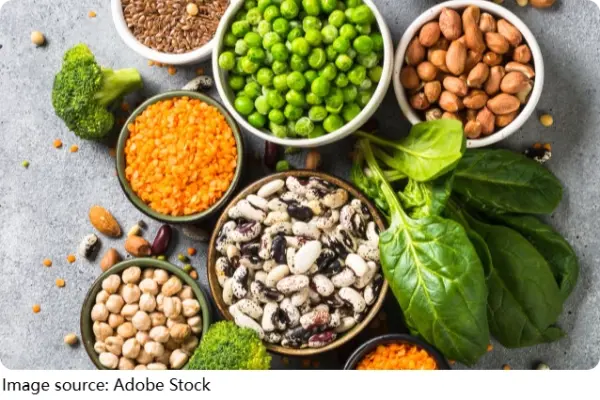
Beans earn the title of nature’s perfect food through a rare combination of nutritional depth, functional benefits, affordability, and sustainability. Their ability to stabilize blood sugar, promote fullness, and adapt to countless recipes makes them practical as well as powerful.