From Plate to Bloodstream

Raghu Yadav
| 14-01-2026
 · News team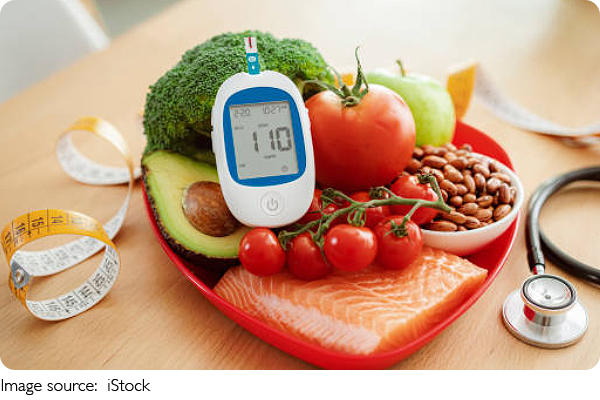
Managing blood sugar levels remains a daily concern for millions of people worldwide, including those living with insulin resistance or type 2 diabetes.
While food choices often receive the most attention, what happens after a meal plays an equally important role.
How Blood Sugar Rises After Meals
After eating, carbohydrates break down into glucose, which enters the bloodstream. This natural rise in blood sugar triggers insulin release, allowing glucose to move into muscle cells for energy or storage. When this process becomes inefficient, glucose remains elevated for longer periods. Repeated spikes place strain on metabolic systems and may contribute to long-term complications. The period immediately after a meal is therefore a critical window for blood sugar management.
Is constant noise wrecking your body? Hidden effects hit hard! How loud is your world right now?
The Vagus Nerve: The Body’s “Two-Way Superhighway” for Health and Balance
Heat frying your health in sneaky ways? Stay safe with these tips!
Oil Prices Jumping? Here’s the Tiny Portfolio Shift Most Investors Forget
Most Kids Learn Money Too Late—Here’s the Simple Investing Habit That Changes Everything
Before You Trust Any Chart, Run This Reality Check
Why Walking Makes a Difference
Walking activates large muscle groups, especially in the legs. Active muscles require energy and readily absorb glucose from the bloodstream. Unlike resting muscle, moving muscle can take in glucose with minimal reliance on insulin. This effect allows blood sugar levels to decline more smoothly instead of peaking sharply.
Dr. Sheri Colberg, a leading expert in exercise science and diabetes, emphasizes that physical activity can help lower blood sugar levels and enhance the body’s response to insulin — evidence that even light exercise can support better glucose control.
Walking after meals works through muscle contraction, which opens channels that allow glucose to enter cells directly. This process continues for several hours after the activity ends, offering benefits beyond the walk itself.
Timing Matters More Than Distance
Research indicates that walking within 10 to 30 minutes after a meal delivers the strongest blood sugar benefit. During this time, glucose absorption from digestion is at its peak. A walk lasting 10 to 20 minutes often proves sufficient to reduce post-meal blood sugar spikes. Longer walks may offer additional advantages, but consistency matters more than duration.
Benefits Beyond Blood Sugar
Regular post-meal walking supports more than glucose control. It aids digestion by encouraging gentle movement of food through the digestive system. It also reduces long periods of sitting, which are linked to metabolic slowdown. Over time, this habit may contribute to improved energy balance and reduced insulin demand.
Mental health benefits also deserve attention. Walking provides a natural pause after meals, encouraging relaxation and reducing stress. Lower stress hormones indirectly support better blood sugar regulation, creating a positive cycle.
Who Benefits the Most
People with prediabetes or type 2 diabetes often experience the most noticeable improvements. Older adults may also benefit, as muscle responsiveness to insulin tends to decline with age. However, healthy individuals can still gain protection against long-term metabolic imbalance by adopting this habit early.

Practical Ways to Build the Habit
Making post-meal walking sustainable requires simplicity. Short walks around the home, workplace, or neighborhood are effective. Indoor walking works well during poor weather. Some prefer light household movement, such as tidying or gentle pacing, which can offer similar benefits when walking outdoors is not possible.
The key lies in repetition. Practicing this habit after the largest meal of the day often delivers meaningful results without overwhelming daily schedules.
Walking after a meal stands out as a practical, evidence-based strategy for keeping blood sugar in check. By activating muscles at the right time, this simple habit helps glucose move efficiently from the bloodstream into cells. Consistency, proper timing, and moderate pace transform an everyday activity into a meaningful health practice.