Fashion’s Real Price

Pardeep Singh
| 30-12-2025
 · News team
Hey Lykkers! Let's play a game. Open your closet or a recent online order. See that trendy top or those cheap jeans? Check the price. Now, I want you to triple it.
Not because of tax, but because of the hidden costs—to your future self and to our shared world—that aren't on the receipt.
That’s the true cost of fast fashion. It’s not a $20 shirt. It’s a $20 shirt + a $40 environmental cleanup + a $30 social consequence. And you’re paying for all of it, just not all at once. Let’s break down the bill.
The Wardrobe Tax: How Fast Fashion Steals From Your Future Self
We’ve all felt the thrill of the “cheap” buy. But this is a financial illusion.
1. The "Cost-Per-Wear" Catastrophe
This Demographic Shift Could Make or Break Your Wealth!
The Space Economy Is Here—and It Could Make You Rich!
Founders Keep Saying These Pitch Lines—And Investors Quietly Tune Out
Most People Pause Savings at the Worst Time—Here’s the Hidden Price
The “Perfect” Retirement Formula Fails Young Savers—Here’s the Fix
Most Investors Miss This Simple Risk Trick—And Pay for It Later
That $20 shirt might only survive 5 washes before it fades, stretches, or unravels. That’s $4 per wear. A $60 shirt from a quality brand that lasts for 60 wears? That’s $1 per wear. Fast fashion is almost always more expensive over time.
"I think often times when we want to buy something, we approach it with a scarcity mentality where we say to ourselves, I don’t have this thing I want so I must acquire it," de Leon explains.
2. The Endless Cycle of "Nothing to Wear"
Your closet is full, yet you feel you have nothing to wear. This is the clutter cost. Fast fashion items are often made of low-quality, synthetic materials (like polyester) that don’t feel great, don’t fit perfectly, and go out of style in a season.
This creates a constant feeling of lack, driving you to buy more to fill the void. It’s a treadmill, not a wardrobe.
3. The Budget Black Hole
Small, frequent "cheap" purchases are the silent assassins of a monthly budget. That $19 here and $35 there seems harmless, but it can easily add up to $100+ a month—money that could have gone toward a savings goal, an experience, or a few truly beloved, durable pieces.
The Global Bill: What the Planet and People Are Paying
This is where the price tag gets truly staggering. The environmental and social costs are externalized—meaning we don’t pay them at checkout, but we pay for them as a society.
1. The Environmental Treadmill
The fast fashion industry is responsible for an estimated 10% of global carbon emissions—more than international flights and maritime shipping combined. It’s a thirsty industry, using enough water annually to fill 32 million Olympic pools to grow cotton and dye fabrics.
And with a truckload of textiles landfilled or incinerated every second, we’re literally treating the planet as a dumping ground for last season’s trends.
2. The Human Cost Woven Into the Seam
To keep prices unsustainably low, costs are cut in the supply chain. This often means poverty wages, unsafe working conditions, and a denial of basic rights for garment workers, the majority of whom are women.
The Sustainable Swap: How to Break the Cycle (and Save)
This isn’t about guilt. It’s about empowerment and making choices that align your wallet with your values.
1. Adopt the "Cost-Per-Wear" Mindset
Before you buy, ask: “Will I wear this at least 30 times?” (A challenge popularized by sustainable fashion advocates). If the answer isn’t a confident yes, skip it. Invest in versatile, quality staples.
2. Embrace Secondhand First
Buying used is the ultimate hack. It keeps clothing in circulation, saves you up to 80% off retail, and is a treasure hunt for unique quality. It’s a direct, positive action against the waste cycle.
3. Practice "Loved Closet" Care
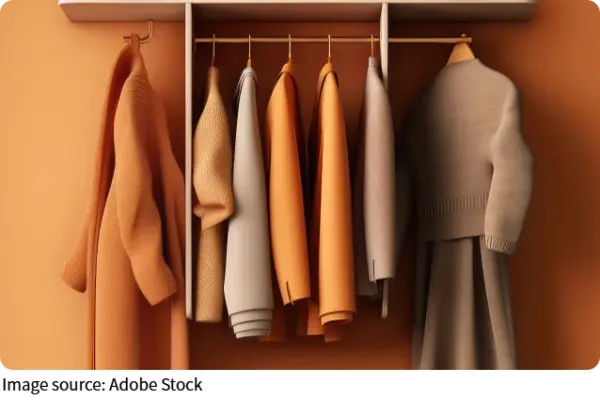
Wash clothes in cold water, air-dry when possible, and learn simple repairs like sewing on a button. Caring for what you own extends its life dramatically, saving you money and reducing waste.
The bottom line, Lykkers, is this: True style isn’t about having the most. It’s about having what you truly love and what lasts. When you shift from a mindset of constant consumption to one of mindful curation, you win twice—your wallet gets heavier, and your conscience gets lighter. Start with your next purchase. Ask the better question.