House Rich Or Stuck?

Caleb Ryan
| 26-12-2025
 · News team
Owning a home is part shelter, part identity and part giant financial bet. For some households, buying is a powerful wealth engine that grows slowly in the background while life happens.
For others, it becomes a cash-hungry obligation that limits flexibility and creates stress. The difference often comes down to timing, price and preparation.
Home As Asset
A primary home is not just an expense; it is also a leveraged investment. Your mortgage lets you control a large asset with a comparatively small down payment. As the loan is repaid, your equity stake grows, turning monthly payments into a mix of housing cost and forced savings.
“From an investment perspective, homeownership remains the single most reliable path to long-term wealth creation for everyday families,” says Thomas Ravert, Certified Financial Planner, Pathway Capital.
The Secret Strategy Parents Use to Fund Grown Kids Without Losing Their Money!
Idle money deserves better. Explore safe, flexible short-term investments that earn interest while keeping cash within easy reach.
Debt Recycling: The Shocking Strategy That Could Accelerate Your Wealth or Ruin You!
After years of low yields, bonds finally pay again. Learn how to capture income smartly—without stepping into new risks.
How Gamers Are Making Millions While Most Players Struggle to Survive!
Tailor your own index, harvest tax breaks, and express your views—if you can handle extra complexity and discipline.
That equity can later be accessed through a sale, a home equity loan, a line of credit or a cash-out refinance. In a crisis, having a sizable ownership stake can provide options that renters simply do not have, especially if emergency savings run thin.
Upside Potential
Historically, residential property has tended to rise in value over long stretches, even though short periods can be bumpy. A modest annual growth rate can translate into a large dollar gain over ten or twenty years, particularly when you only put down a fraction of the purchase price.
As the mortgage balance shrinks, the gap between what you owe and what the property is worth widens. That increased net worth can improve borrowing terms for other goals and strengthen your overall financial position. It is one of the main reasons homeownership is often linked to long-term wealth building. There can also be tax advantages.
In many cases, mortgage interest and property taxes may be deductible, subject to local rules and limits. Owning a home may also open the door to future rental income, whether by renting a room, an accessory unit or the entire property later in life.
Hidden Cash Out
The benefits come with steep entry costs. Even with low-down-payment programs, you typically need thousands of dollars in liquid savings to close on a property. The smaller the down payment, the higher the monthly obligation and the greater the likelihood of needing private mortgage insurance.
Closing costs are another surprise for many first-time buyers. Lender fees, appraisals, inspections, title work and legal costs can easily total several percent of the purchase price. That money does not build equity; it simply gets the transaction done, which is why buying and selling too often can be so expensive.
What Drives Value
Location has an outsized effect on whether a house turns into a strong investment. Desirable school districts, access to work centers, green spaces and daily conveniences all support demand and, over time, support prices. A modest home in a thriving area often outperforms a large place in a struggling one.
Broad market conditions matter too. When the number of buyers far exceeds the supply of homes, prices can move up quickly. When listings pile up and demand cools, sellers may need to cut asking prices or offer concessions. A long holding period can smooth these cycles, but timing still affects short-term outcomes.
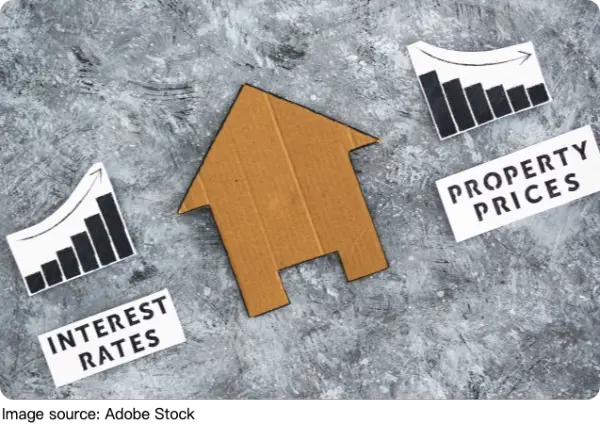
Interest rates and the overall economy shape affordability. Lower rates support higher prices because monthly payments stay manageable. Rising rates do the opposite, shrinking the pool of qualified buyers. Job growth, wage trends and consumer confidence all ripple into the housing market and, eventually, your resale prospects.
Ongoing Costs
The purchase price is only the beginning. Owners take on a fixed monthly mortgage payment that combines principal and interest, plus property taxes and insurance. If the down payment is small, private mortgage insurance may be added until enough equity is built. These obligations must be paid regardless of what markets are doing.
Protecting the property also costs money. Routine maintenance, small repairs and larger projects such as roof replacement or system upgrades add up over the years. A common rule of thumb is to set aside at least one percent of the home’s value annually, more for older properties or those in harsher climates.
Many communities have homeowners association fees on top of everything else. These cover shared spaces, amenities and community services, but they raise your ongoing housing cost and can increase over time. Property taxes also tend to rise as local budgets and assessed values grow, sometimes faster than household income.
When It Backfires
Buying becomes a poor investment when the time horizon is too short. Because transaction and moving costs are high, selling within a few years often leaves little profit after fees, even if the price has climbed. In a flat or declining market, a quick sale can leave an owner with less than the original equity.
Trouble also arises when the monthly payment stretches the budget. If most income is tied up in housing, there is little room left for emergencies, retirement saving or debt reduction. A job loss, health issue or unexpected repair can quickly push a strained owner toward missed payments and, in the worst case, losing the home.
Who It Fits
Homeownership tends to work best for people who plan to stay put for at least five to seven years, have stable income and can comfortably handle the full cost of ownership. A solid emergency fund and manageable other debts are just as important as gathering a down payment.
It is also a better fit when the property suits your real needs, rather than stretching for an ideal that breaks the budget. Buying “just enough house” in a sound area leaves more room for saving, investing and enjoying life outside those walls.
Conclusion
Buying a house can be both a meaningful life milestone and a long-term investment that quietly builds wealth through equity and gradual price growth. Yet it also brings large upfront costs, ongoing responsibilities and exposure to market swings.
Before committing, it helps to test the numbers, stress-test your budget and be honest about how long you expect to stay. For your next move, what would matter more to you: maximum financial upside, or maximum flexibility in where and how you live?