Best Drink: Happy Belly!

Amit Sharma
| 23-12-2025
 · News team
Certain beverages can support digestive comfort through probiotics, anti-inflammatory compounds, and hydration. Kefir contains a diverse range of probiotic microorganisms that may help balance gut microbial communities and support digestion.
Kombucha’s fermentation creates organic acids and probiotics along with antioxidants from tea, which may contribute to gut health and microbial balance, though its probiotic diversity is generally lower than kefir’s and clinical evidence is still emerging. Ginger infusions have compounds that can stimulate digestion and help with gastric emptying and bloating.
Beetroot juice supplies dietary nitrates, polyphenols, and fiber that can support blood flow to the digestive tract and overall digestive well-being. Regular inclusion of these beverages as part of a balanced diet may enhance microbial diversity, support motility, and promote digestive comfort for many people, although individual responses can vary and effects are not universally guaranteed.
Curious about home tests? They’re booming! Ready to take control of your health? See how easy it can be!
Could this new eye scan catch problems early? Imagine fewer health risks! Ready to see how it works?
Worried about blood pressure? Low might beat high for heart health! But watch for dizziness risks.
Craving cake without guilt? Pick smarter ingredients now! Which swap makes it healthy?
Are your sleep habits doing more harm? Spot these 5 bad positions! Ready to rest pain-free?
Waking up in pain every morning? Easy fixes can stop that! What’s causing yours?
Fermented Powerhouses
Kefir, a tangy fermented milk, harbors up to 30 probiotic strains including Lactobacillus kefiri, which studies link to enhanced microbiota diversity in metabolic syndrome patients after consistent intake. Daily consumption of about 200 milliliters shifts gut composition favorably, easing indigestion symptoms over weeks. Its protein content around 10 grams per cup stabilizes blood sugar alongside microbial benefits.
Kombucha ferments black or green tea with a symbiotic culture, producing gluconic acid that combats oxidative stress and intestinal imbalances per recent nutrition reviews. Unsweetened versions limit sugars to under 2 grams per serving, prioritizing live cultures over sweetness. Green tea kombucha variants amplify polyphenol effects, encouraging Akkermansia muciniphila proliferation for metabolic harmony.
Herbal Soothers
Peppermint tea relaxes smooth muscles via menthol, shortening digestive transit times by up to 30 minutes post-meal according to digestion-focused research. Steep one teaspoon of leaves in hot water for five minutes to extract full volatile oils without bitterness. Lemongrass companions add citral for extra spasm relief during discomfort peaks.
Ginger tea, brewed from fresh rhizome slices, elevates digestive enzymes and curbs nausea through gingerol activation, as evidenced in trials reducing functional dyspepsia by significant margins. A 2023 study highlights its role in faster stomach emptying, ideal for morning routines at one-inch pieces boiled 10 minutes. Fennel seed infusions complement by dispersing gas pockets effectively.
Nutrient-Dense Juices
Beetroot juice concentrates betalains and nitrates, diminishing inflammation while feeding fiber-loving bacteria in modest 4-6 ounce servings blended with carrot for palatability. Polyphenols therein sustain microbial diversity, supporting barrier functions amid dietary stresses. Fresh pressing preserves enzyme activity over commercial pastes.
Prune juice supplies sorbitol and phenolic compounds that help draw water into the intestines and support bowel regularity, and clinical trials show that prune juice consumption significantly reduces hard stools and alleviates symptoms of constipation without causing adverse effects. It also provides potassium, which supports fluid and electrolyte balance.
Opting for 100% prune juice without added sugars or additives helps preserve these natural components and avoids unnecessary extra calories. Coconut water offers hydration and electrolytes such as potassium and sodium that can support fluid balance and prevent dehydration, although it contains negligible lipid and essentially no medium-chain triglycerides (MCTs).
Emerging Ferments
Tepache, a pineapple rind ferment, generates bromelain enzymes breaking down proteins alongside Lactobacillus strains for probiotic punch. Simmer peels with brown sugar and chili for 48-hour bubbles, yielding anti-inflammatory peptides. Kvass from beets or rye bread offers similar bioactive acids, chilled for daily refreshment.
According to Mayo Clinic expert Dr. Lioudmila V. Karnatovskaia and related Mayo Clinic guidance, kefir and kombucha are two probiotic beverages frequently recommended for gut health as sources of live cultures and fermentation products that may support a healthy gut microbiome. While kefir’s probiotic effects are better documented, kombucha’s benefits are still being studied and may vary by product and individual.
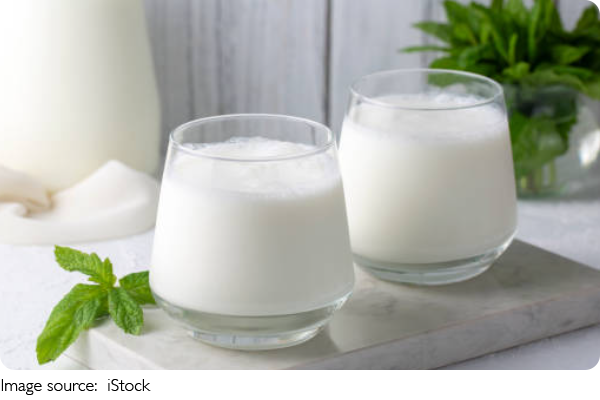
Kefir, kombucha, herbal teas, and select juices form a potent lineup for digestive ease, each targeting motility, microbial balance, or inflammation uniquely. Strategic sipping—warm mornings for herbs, chilled evenings for ferments—amplifies effects without excess. These choices foster sustained belly bliss through evidence-based nourishment