Best Glucose Monitor?

Chandan Singh
| 08-12-2025
 · News team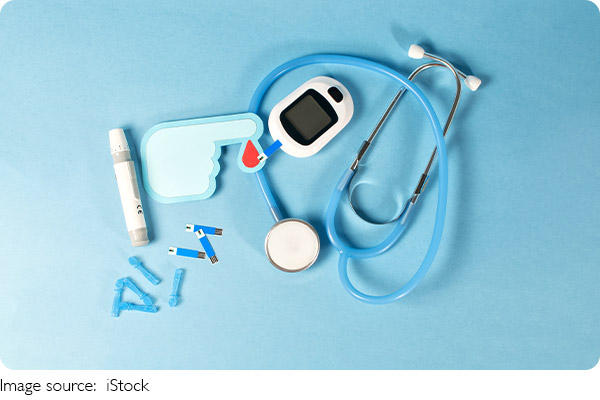
For individuals managing blood sugar levels—whether due to diabetes, prediabetes, or medical supervision—selecting an appropriate glucose monitor is a vital part of effective health management.
Advances in glucose monitoring technology in 2025 have broadened available options, ranging from traditional finger-prick meters to continuously scanning devices.
Prioritizing Accuracy and Calibration Needs
Modern continuous glucose monitors such as Dexcom G7 and FreeStyle Libre 3 are among the most accurate on the market, with MARD scores around 8–9% — that is, close to laboratory reference values under optimal conditions. Nevertheless, for critical insulin‑dosing or unexpected symptoms, confirmatory finger‑stick testing may still be recommended.
Slow Spine Pain Before It Starts: Easy Posture Fixes and Habits for a Healthy Back
Could Too Much Salt Be Triggering Your Skin Flare‑Ups?
Fear of Needles? Here’s What Your Brain Is Really Telling You
Night Work? Here’s How to Reset Your Body Clock and Feel Rested Again
Feeling stressed or drained? Try these 7 simple tricks to lift your mood and feel great!
Tired of restless nights? Try 5 simple tips to restore sleep and wake up refreshed!
Some monitors require periodic finger-stick calibrations, while advanced models offer calibration-free operation, improving convenience while maintaining accuracy for day-to-day use. Users should review clinical validation data when evaluating device options.
Intermittent vs. Continuous Monitoring
Traditional blood glucose meters provide point-in-time readings through finger-prick tests, which are cost-effective and widely accessible. Conversely, CGMs deliver real-time glucose level data continuously or at frequent intervals, enabling trend analysis, alerts for hypoglycemia or hyperglycemia, and data sharing with caregivers.
Selection depends on individual health needs—people adjusting intensive insulin therapy may benefit from the dynamic data of CGMs, while others may find intermittent meters sufficient for routine monitoring. Understanding these differences ensures a proper fit with medical management plans.
Wear Time, Sensor Comfort, and Device Compatibility
Sensor longevity and comfort are important factors for adherence to continuous glucose monitoring. For example, Eversense 365 offers an implantable sensor designed to last up to one year, reducing the need for frequent replacements.
Meanwhile, Dexcom G7 (and its newer variant) uses small, low‑profile sensors that are comfortable and discreet — each sensor session runs for up to 10 days, with some versions now cleared for up to 15 days of wear.
Device maneuverability and integration with smartphones or insulin pumps is a feature offered by Medtronic Guardian 4—also influence usability. A monitor compatible with existing devices and apps promotes seamless data management and real-time health insights.
Cost and Insurance Coverage Considerations
The price of glucose monitors varies widely, with CGMs generally costing more upfront than traditional meters. Factors influencing cost include sensor duration, required test, and advanced features like alerts and remote monitoring. Insurance coverage and reimbursement policies significantly impact affordability.
Users should consult healthcare providers and insurance plans to understand coverage specifics, ensuring sustainable use without financial strain. Some providers also offer programs to reduce costs for eligible patients.
User Interface and Additional Features
Ease of use, from handling to device navigation, matters for consistent monitoring, especially for older adults or those with dexterity challenges. Devices with intuitive apps that display clear graphs, provide actionable insights, and allow caregiver access improve diabetes self-management. Features such as customizable alerts for glucose excursions and rechargeable transmitters add to long-term convenience and adherence. Careful evaluation of user interface aspects enhances sustained monitoring effectiveness.
According to experts including James R. Gavin III, continuous glucose monitoring (CGM) systems offer unmatched insight into daily glucose fluctuations, helping tailor diabetes management to each person’s lifestyle and clinical needs rather than relying solely on periodic measurements.
Selecting a glucose monitor requires balancing precision, monitoring style, sensor comfort, cost factors, and user experience. Engaging with healthcare professionals to align choice with medical needs and personal preferences supports proactive blood sugar control and overall metabolic health. Ongoing technological innovations continue expanding options, empowering tailored diabetes care in 2025 and beyond.