Recycling Done Right

Santosh Jha
| 04-12-2025
 · News team
Recycling is one of the easiest ways to protect the planet—but only when done correctly.
Many of us toss items into the recycling bin believing we're helping the environment, but if those items are dirty, mixed, or non-recyclable, they can ruin entire batches of recyclable material.
This is called contamination, and it’s one of the biggest challenges modern recycling systems face.
For Lykkers who want to live more sustainably, understanding how recycling actually works—and how contamination disrupts it—is the key to making your effort count. When you recycle right, you don't just reduce waste; you make sure your actions truly contribute to a cleaner, more circular world.
How Recycling Systems Work
Why Switching to Reusable Shopping Bags Will Save You Money, Protect the Planet, and Make Shopping Easier!
What Happens When Hormones Control Your Metabolism? The Secret Link Might Shock You!
Could A Moment Of Ignored Sugar Levels Lead To A Dangerous Coma!? Learn The Warning Signs Fast!
Feeling Odd Lately? Spot The Early Signs Of Pregnancy Before Your Test Shows Anything!
Can One DNA Sequence Hold Two Secrets At Once? The Mystery Of Overlapping Genes Awaits!
What Makes The Immune System So Powerful? See How Your Body Fights Back Like A Hero!
Recycling isn't just about tossing items into a blue bin and forgetting about them. It's a carefully coordinated process that depends on everyone doing their part—from individuals to sorting centers and manufacturers.
The Journey of Recyclables
Once recyclables leave your home, they're taken to a materials recovery facility (MRF). There, machines and workers sort items by material type—plastic, glass, paper, metal, and so on. These materials are cleaned, shredded, or melted down before being turned into raw materials for new products.
The smoother this process goes, the more efficiently recycling saves energy, reduces pollution, and conserves resources.
Why Clean and Sorted Materials Matter
Sorting is everything. A single greasy food box or wet paper item can contaminate an entire batch of otherwise recyclable materials. For example, a pizza box with leftover sauce can make the paper fibers too weak to reuse. Likewise, liquids left in bottles can soak other materials, making them unrecoverable.
When contamination levels rise, facilities often have no choice but to send those materials to landfills instead of recycling them.
Different Systems, Different Rules
Recycling systems vary depending on your city or country. Some accept all recyclables in one bin, while others require separation by type. Local facilities have specific equipment and processing limits, meaning that what’s recyclable in one region may not be accepted in another.
Checking local recycling guidelines helps ensure your effort aligns with the system’s actual capabilities.
The Hidden Cost of Wishcycling
Wishcycling happens when you toss something in the recycling bin just hoping it can be recycled. Unfortunately, good intentions can backfire. Items like plastic bags, batteries, or dirty containers can jam machines or lower the quality of recycled materials.
It's always better to double-check than to hope for the best—because wishcycling often creates more waste, not less.
Preventing Contamination—Recycling Smarter
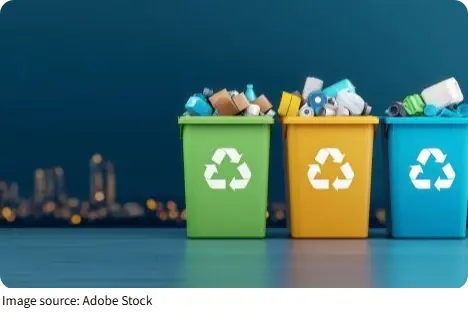
Understanding contamination helps you become a better recycler. With a few mindful habits, you can make sure your recycling truly supports the environment instead of burdening it.
Know What Goes Where
Every community has slightly different recycling rules. Take a few minutes to review your local list of accepted items. Most programs welcome paper, cardboard, aluminum, glass, and certain plastics. Soft plastics, Styrofoam, or mixed materials usually belong elsewhere.
Knowing what belongs where prevents contamination before it starts.
Clean Before You Recycle
It only takes a quick rinse to make a big difference. Empty bottles, jars, and containers before recycling. Remove food residue or labels when possible. It doesn't have to be spotless—just free from obvious leftovers. Think of it as showing a little respect for the next stage of the recycling journey.
Separate Mixed Materials
Items made from different materials, like plastic-coated paper cups or foil-lined packaging, can't always be processed together. Whenever possible, separate the components—remove lids from bottles, or peel off plastic films. The easier you make sorting for the facility, the higher the chance your recyclables actually get recycled.
Rethink Single-Use Habits
Recycling is just one part of the solution. Reducing what you bring into your home matters just as much. Choose refillable containers, avoid unnecessary packaging, and support companies using recycled materials. By minimizing waste from the start, you help keep the system efficient and sustainable.
Educate and Inspire Others
Sharing your knowledge creates ripple effects. Encourage friends and neighbors to recycle responsibly and explain why clean, sorted recyclables matter. Many people simply don't realize how small mistakes—like tossing in a greasy napkin—can undo everyone's effort.
The more informed your community becomes, the stronger your collective impact will be.
Recycling works best when we all take it seriously. Contamination doesn't just waste resources—it erases the good intentions behind recycling entirely. For Lykkers, recycling right means slowing down, checking labels, and being intentional. It's about understanding that sustainability starts with awareness, not perfection. Each time you rinse, sort, or refuse an unnecessary item, you help keep the recycling loop alive.
So the next time you stand over the bin, take a moment to think: is this clean, clear, and correct? That small pause could make a world of difference.