Collagen: Skin Elasticity

Nolan O'Connor
| 04-12-2025
 · News team
Collagen is a fundamental structural protein that forms the scaffolding of the skin, critically supporting its firmness and elasticity.
Constituting approximately 80% of the skin’s dry weight, collagen fibers create a dense network within the dermis—the skin’s thick middle layer that provides strength and resilience against mechanical stress.
Collagen’s Structural Function in Skin Elasticity
Collagen acts as the skin’s architectural framework, binding cells together and maintaining tissue integrity. This fibrous protein works in tandem with elastin—responsible for skin’s stretchability to deliver both robustness and flexibility. While elastin allows the skin to snap back after deformation, collagen ensures that the skin maintains its overall structure and volume. The synthesis of collagen by dermal fibroblasts is essential for continuous renewal and repair of the skin matrix, which is vital for preserving elasticity.
Ever Wonder Why Past Stress Still Feels Heavy? See How Emotional Moments Reshape the Mind
Not feeling like yourself? These common dehydration signs might explain what’s happening!
Feeling weird after scrolling? Social media may be steering your emotions more than you think!
Mood on a Roller‑Coaster? Here’s a Simple Guide to Understand Why
Before You Make Your Next Impulse Purchase, Picture This and Watch Your Savings Soar
Are You Really Financially Healthy? Most People Fail This Simple Checkup
In youth, collagen fibers are abundant and well-organized, imparting a plump, smooth, and taut appearance. However, age-associated declines in fibroblast activity reduce collagen production, while enzymes such as matrix metalloproteinases (MMPs) degrade existing collagen. This imbalance results in fragmentation and loss of collagen fibrils, weakening the dermal matrix and causing skin laxity.
Factors Affecting Collagen Integrity
Multiple internal and external factors influence collagen quantity and quality. Ultraviolet (UV) radiation from sun exposure accelerates collagen breakdown by increasing MMP activity, contributing to photoaging characterized by wrinkles and uneven texture. Oxidative stress from environmental pollutants further impairs collagen synthesis, while lifestyle factors like poor nutrition exacerbate degradation.
Genetic predispositions also shape baseline collagen density and resilience. Advances in molecular biology have revealed how genetic variations affect collagen-related enzymes and fibroblast function, influencing individual rates of skin aging and elasticity loss.
Enhancing Collagen to Restore Skin Elasticity
Recent clinical studies demonstrate that both topical and collagen supplements can stimulate collagen production and improve skin elasticity. Hydrolyzed collagen peptides, particularly those sourced from marine environments, have shown higher bioavailability and efficacy in promoting dermal collagen synthesis.
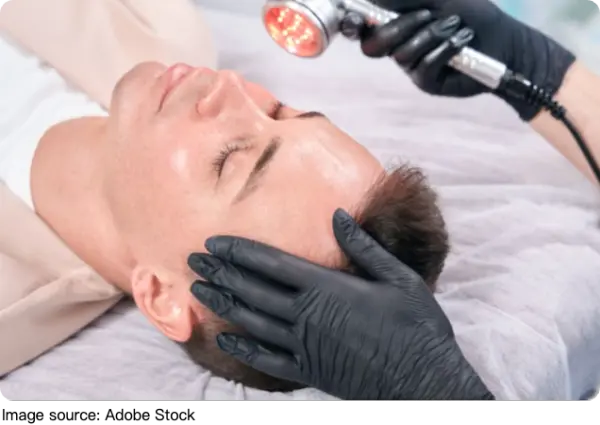
In addition to supplements, factors such as vitamin C intake play a crucial role in collagen maturation, given its function as a cofactor for enzymes that stabilize collagen fibrils. Furthermore, emerging treatments like microneedling and laser therapies enhance collagen remodeling by inducing controlled dermal injury, triggering fibroblast activation and neocollagenesis.
Zoe Diana Draelos, MD — a respected dermatologist and researcher — has written about skin aging, noting that degradation of structural proteins like collagen and elastin, combined with factors such as decreased skin hydration and oxidative stress, underlies many visible signs of aging. Her work emphasizes that maintaining skin quality depends on preserving the dermal matrix — including supporting collagen and elastin integrity — through protective measures and appropriately targeted skin‑care strategies.
Collagen plays an indispensable role in maintaining skin elasticity by serving as the foundational structural element of the dermis. Age, environmental exposure, and lifestyle factors diminish collagen integrity, leading to loss of skin firmness and the onset of wrinkles.
Advances in scientific research and clinical practice provide effective avenues to support and stimulate collagen synthesis, offering hope for improved skin elasticity and youthful appearance. Prioritizing collagen health through prevention and innovative treatments heralds a promising future in dermatological care.