Pregnancy Back Pain

Pardeep Singh
| 03-12-2025
 · News team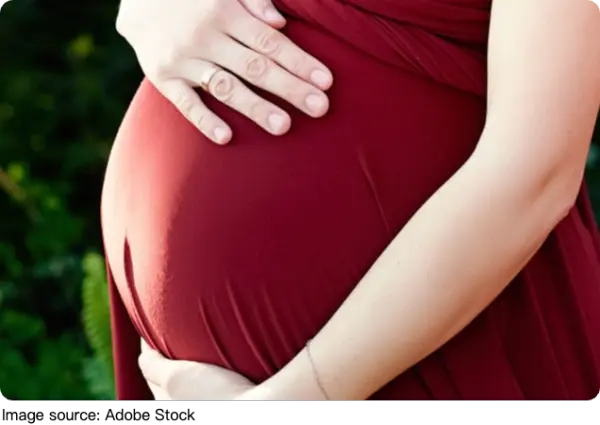
Back pain during pregnancy is one of the most common complaints among expectant individuals, affecting a substantial proportion throughout gestation.
This discomfort ranges from mild nuisance to severe impairment of daily functioning, necessitating a detailed understanding of its underlying causes and appropriate therapeutic approaches.
Hormonal Changes and Ligamentous Laxity
Pregnancy triggers considerable hormonal shifts, notably increased levels of relaxin and progesterone, which induce ligamentous softening and increased joint mobility. This widespread ligamentous laxity aims to prepare the pelvis for childbirth but also diminishes stability across the lumbopelvic region.
The sacroiliac joints and pelvic girdle become particularly susceptible to strain, leading to pain and discomfort. However, studies have shown that circulating serum relaxin levels do not consistently correlate with the severity of back pain, suggesting complex interactions rather than direct causation.
Sudden Vomiting And Fever In Kids? It Might Be More Serious Than You Think!
Nurturing Grandparent-Grandchild Relationships Across Generations!
Struggling To Share Your Home With Grandparents? Discover The Secrets To Harmony!
Wish making new friends felt easier and more natural?
Shared Interests, Stronger Bonds: A Practical Guide to Lasting Friendships!
How Your First Name Influences Your Personal Growth: Meaning & Insights
Mechanical and Postural Adaptations
The enlarging alters the center of gravity, shifting it anteriorly and promoting compensatory lumbar lordosis. This exaggerated spinal curvature increases the mechanical load on lumbar vertebrae and supporting musculature, contributing to muscle fatigue and strain. The abdominal muscles stretch and weaken, reducing core stability and transferring a greater burden to the back muscles and spinal ligaments. Furthermore, increased body mass associated with pregnancy compounds axial loading, particularly in obese individuals, intensifying back discomfort.
Vascular and Neurological Contributors
During pregnancy, anatomical, hormonal and vascular changes combine in ways that can increase risk of low back or pelvic pain. Hormone‑induced ligament laxity and shifting posture reduce pelvic and spinal stability.
At the same time, the expanding abdomen may compress the inferior vena cava when lying supine, which can impede venous return and lead to venous congestion in the pelvic and lumbar region — a factor suspected to contribute to back or pelvic discomfort in some pregnant women.
Although rare, disc herniation or nerve‑root compression can occur during pregnancy and may produce radicular symptoms (e.g. radiating leg pain, sciatica), requiring medical evaluation.
Risk Factors and Predictors
Women with a history of low back pain prior to or during previous pregnancies possess a heightened risk for recurrence. Additional factors influencing susceptibility include multiparity, higher body mass index, pelvic trauma, and certain occupational activities involving prolonged standing or lifting. Environmental factors, such as sleeping on overly soft mattresses, may amplify lumbar stress and exacerbate symptoms by promoting spinal misalignment.
Approaches to Management
Conservative therapy remains the mainstay for pregnancy-associated back pain. Exercise regimens focusing on strengthening and conditioning of lumbar and pelvic muscles demonstrate significant benefit, improving stability and reducing pain intensity. Physical modalities such as transcutaneous electrical nerve stimulation (TENS) and acupuncture have shown effectiveness in symptom alleviation. Postural education and ergonomic adjustments further aid in minimizing mechanical strain.
Pharmacological options are limited owing to fetal safety concerns, emphasizing non-pharmacologic treatments. In rare refractory cases, multidisciplinary interventions may be necessary. Importantly, early identification of red flags such as severe neurological symptoms or signs suggestive of pregnancy complications—warrants specialist evaluation.
According to pelvic‑health and obstetric specialists such as Johns Hopkins Medicine, back and pelvic pain during pregnancy often stems from a combination of hormonal, anatomical, and biomechanical changes: increased relaxin loosens ligaments and joints; the expanding abdomen shifts the body’s center of gravity; and altered posture plus added weight increase stress on the spine and pelvic girdle. These changes make the lower back and pelvic area more prone to instability, strain, and pain.
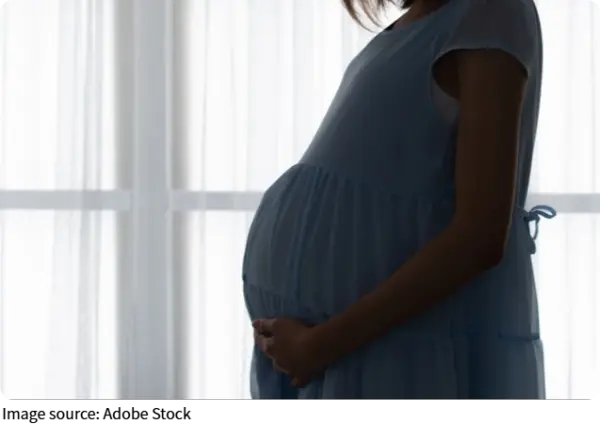
Back pain in pregnancy results from hormonal ligamentous laxity, altered biomechanics, vascular changes, and individual risk factors including prior pain history and obesity. It manifests primarily as lower back and pelvic girdle discomfort, often intensifying with postural demands.
Non-pharmacological interventions such as targeted exercise, physical therapy, and ergonomic care represent effective strategies, with pharmacologic options reserved for selected cases. Understanding these multifactorial causes facilitates comprehensive care, enhancing maternal comfort and quality of life during pregnancy.